Professional Ocean Fishing: Advanced Techniques
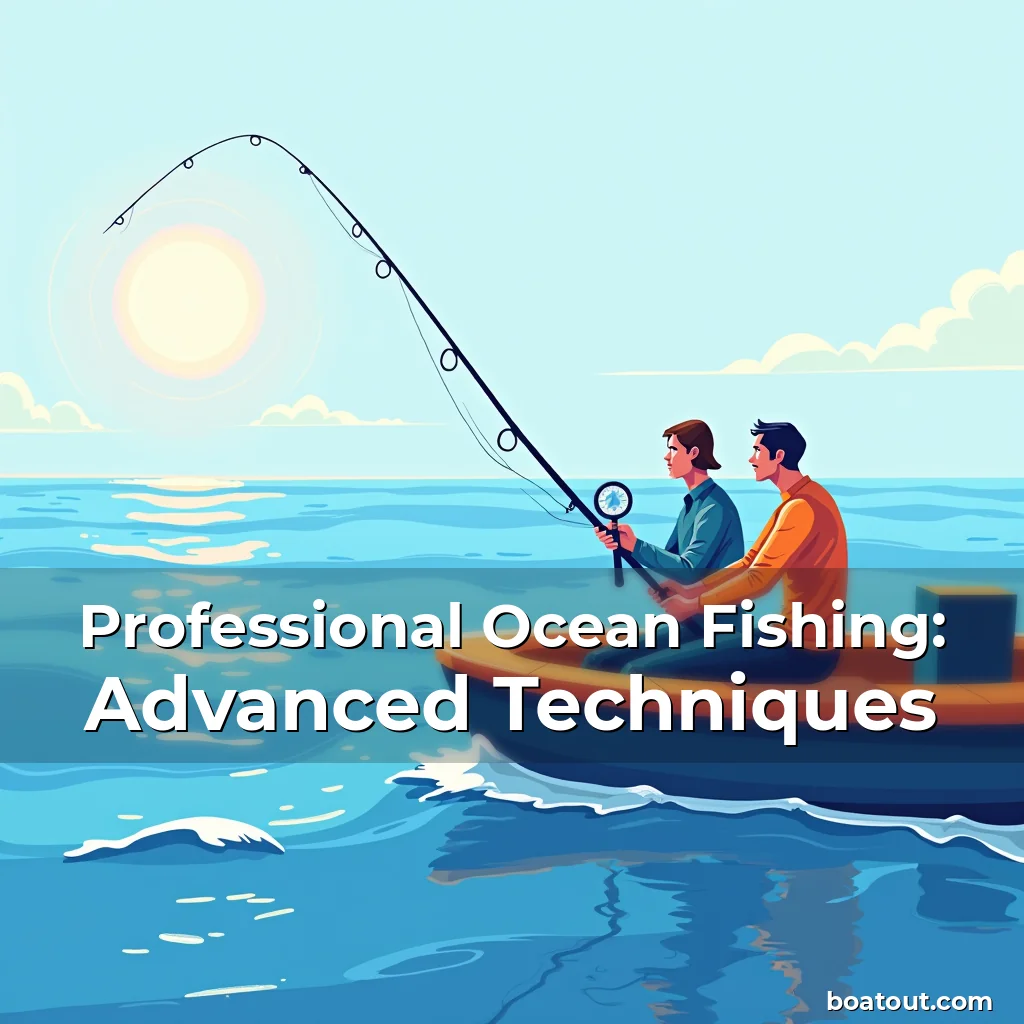
The Art of Open Water Angling: Mastering Professional Ocean Fishing
In the vast expanse of the ocean’s surface lies an ancient pursuit that has evolved into a sophisticated discipline—professional ocean fishing. This captivating activity requires not only skill but also a deep understanding of marine ecosystems and weather patterns.
From the rugged shores of Alaska to the warm currents of the Gulf Stream, experienced anglers employ specialized techniques tailored to their target species and environmental conditions. Mastery of these methods can transform a casual outing into a successful expedition filled with prized catches.
Understanding Marine Ecosystems
Oceanic environments present diverse habitats shaped by temperature gradients, salinity levels, and underwater topography. These factors influence fish behavior, migration routes, and feeding patterns crucial for effective angling strategies.
For instance, thermoclines—the sharp boundaries between water layers of different temperatures—affect oxygen availability which in turn determines where predatory fish congregate. Recognizing these vertical structures enables fishermen to position themselves optimally during critical hours of activity.
Temperature stratification: Warm surface waters often separate from colder depths through wind-driven mixing processes known as upwelling events. During such periods, nutrient-rich waters rise to the surface creating fertile grounds for plankton blooms.
Salt concentration: Salinity variations affect fish physiology and distribution patterns. Species like Atlantic cod prefer moderate salinities found along continental shelves rather than extreme fluctuations near estuaries.
Mastering Weather Patterns
Weather phenomena significantly impact both visibility and prey movement beneath the waves. Skilled offshore anglers monitor atmospheric pressure changes, cloud formations, and wind direction meticulously before setting sail.
Rising barometric pressures typically correlate with falling fish activity while dropping readings signal increased aggression among many pelagic species. Understanding these nuances allows captains to adjust tactics accordingly.
A sudden drop in air pressure might indicate approaching storm systems that could either disperse schools or drive them closer together depending on species type.
Certain conditions require specific safety protocols; heavy swells accompanying strong winds necessitate extra caution when deploying gear overboard.
Selecting Appropriate Gear
Fishing equipment must match intended targets’ size, strength, and habitat preferences. Choosing improper tackle can result in broken lines, lost catch, or damaged rigging under intense strain situations.
Heavy-duty rods constructed from graphite composites provide necessary backbone against powerful gamefish species common in open seas. Matching reel spools with appropriate drag settings ensures controlled fights without risking line breakage.
Rod selection guidelines:
- Medium-heavy action rods are suitable for species ranging from snapper to small tuna varieties.
- Extra-heavy power rods handle larger predators including marlin and swordfish effectively.
- Longer rod lengths offer better leverage when fighting fast-moving specimens far out at sea.
Choosing high-quality fluorocarbon leaders reduces visibility concerns in clear water scenarios while offering superior abrasion resistance compared to monofilament alternatives.
Bait Selection Strategies
The effectiveness of bait depends heavily on target species biology and current environmental conditions prevailing in the area being fished. Natural lures mimicking local prey items prove most successful across various depth ranges.
Trolled spoons and plugs work well for surface feeders whereas weighted jigs appeal specifically to bottom-dwellers searching through sandier substrates. Selective deployment based on time-of-day rhythms enhances strike probabilities.
Bait presentation techniques:
- Vary lure colors according to light penetration depths affecting visibility of artificial offerings.
- Use live bait rigged correctly with properly sized hooks to prevent loss during vigorous struggles.
- Maintain consistent retrieve speeds matching natural movements observed within targeted species’ hunting behaviors.
Some species respond positively to chumming approaches wherein scattered food particles attract curious individuals close enough to be hooked successfully.
Advanced Trolling Tactics
Trolling involves moving vessels slowly while dragging fishing lines behind them at varying depths targeting migratory fish populations following seasonal cycles. Proper speed control maintains optimal lure presentations essential for triggering bites.
Adjustable downriggers enable precise positioning of baits at ideal depths dictated by thermal layers influencing prey distributions below decks. Real-time sonar monitoring helps track schooling aggregations instantly available for exploitation.
Cross-trolling patterns—where boats move perpendicular to wind directions—create dynamic water movements attracting opportunistic feeders seeking easy meals amidst turbulence created by vessel propellers.
Changing trolling speeds periodically keeps bait presentations unpredictable preventing conditioned responses from skittish trophy-sized specimens.
Deepwater Drifting Methods
Drifting with the current presents another viable approach particularly useful when pursuing deepwater dwellers inhabiting reef complexes or underwater canyons located miles offshore. Deploying appropriately weighted rigs controls descent rates ensuring contact with productive zones.
Using GPS tracking devices combined with drift calculators anticipates future positions aiding in strategic repositioning decisions made ahead of time rather than reacting post-hoc developments.
Current mapping essentials:
- Determine dominant tidal flows using reliable maritime charts updated regularly due to shifting seabed features.
- Consult coastal station data regarding recent velocity measurements influencing drift predictions accurately.
- Install onboard instruments displaying real-time current vectors assisting immediate course corrections mid-trip.
Monitoring underwater terrain via side-scan sonar detects structural features likely housing concentrations of desirable gamefish awaiting ambush opportunities presented by passing prey trails.
Predator-Specific Approaches
Successful ocean fishing demands tailoring methods precisely towards individual predator profiles considering their sensory capabilities and feeding mechanisms unique to each species category.
Marine mammals possess highly developed echolocation abilities requiring special attention when encountering cetaceans potentially interfering with normal operations aboard fishing vessels.
Species-targeted techniques:
- Bluefin tuna require fast retrieves with metallic spinners mimicking injured baitfish presenting erratic motion cues.
- Billfish species respond best to large feathers or brightly colored streamers enticing aggressive strikes from above water surfaces.
- Grouper species benefit from slow sinking baits allowing sufficient time for investigative inspection prior commitment bite actions.
Adapting presentations according to daily behavioral shifts caused by lunar phases or moonlight intensity adjustments improves overall success percentages appreciably.
Environmental Conservation Practices
Responsible anglers recognize the importance of preserving marine biodiversity while pursuing sport fishing activities ensuring sustainable resource management remains prioritized alongside recreational enjoyment objectives.
Implementing selective harvest policies whereby oversized specimens get released back safely after careful handling procedures prevents unnecessary population depletion risks threatening ecosystem balance long-term.
Eco-friendly initiatives:
- Utilize biodegradable line materials reducing ghost netting dangers endangering non-target organisms inadvertently ensnared.
- Participate in organized beach cleanups promoting awareness surrounding plastic pollution impacts negatively affecting aquatic life survival rates.
- Support legislation aimed at establishing protected marine areas limiting commercial trawling operations disrupting breeding grounds naturally maintained through evolutionary adaptations.
Keeping accurate logbooks documenting species encountered contributes scientifically valuable datasets utilized by researchers studying climate change effects manifesting through altered migration schedules previously documented historically.
Emergency Preparedness Measures
Open-sea excursions demand rigorous preparation plans addressing potential emergencies ranging from medical incidents to mechanical failures threatening crew safety imperiling entire missions.
Carrying first aid kits stocked with necessary medications treating allergies or cardiac issues becomes imperative given remote locations lacking readily accessible emergency services proximity.
Safety protocol components:
- Maintain communication devices capable of transmitting distress signals reaching rescue coordination centers swiftly.
- Conduct regular maintenance checks verifying functionality status of engine systems and navigation aids reliably.
- Train personnel thoroughly in CPR and basic trauma care protocols enabling prompt intervention until professional assistance arrives.
Establishing pre-agreed rendezvous points facilitates efficient recovery operations should separation occur unexpectedly during inclement weather episodes challenging conventional travel routines established initially upon departure.
Conclusion
Professional ocean fishing represents a complex interplay between scientific knowledge application, technical proficiency development, and ethical responsibility fulfillment toward ecological preservation efforts simultaneously pursued by dedicated practitioners worldwide.
By mastering the principles outlined here—including marine ecology comprehension, tactical gear utilization, and environmentally conscious practices—you’ll enhance your capacity for consistently rewarding experiences whether competing in tournaments or simply enjoying nature’s bounty responsibly harvested.