Pontoon Boats vs Alternatives: Complete Comparison
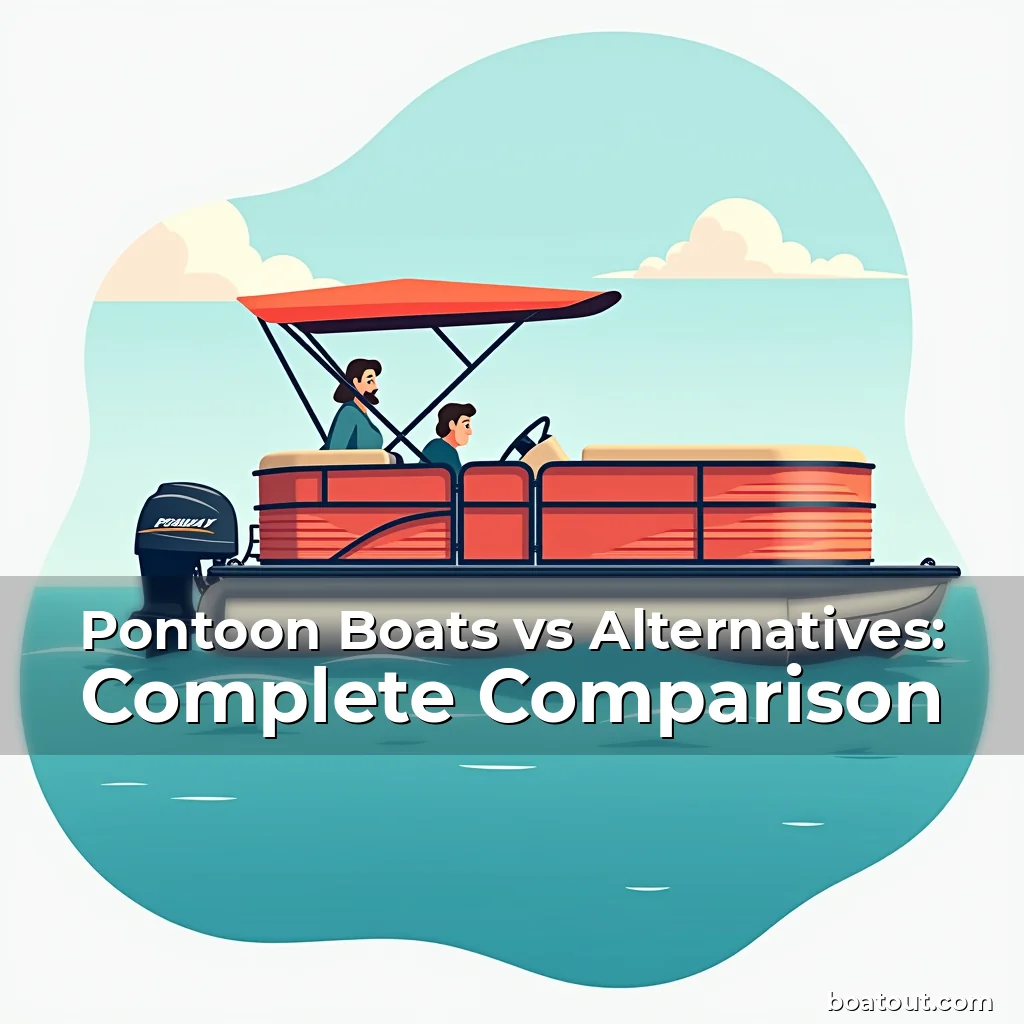
Pontoon Boats vs Alternatives: Complete Comparison
Pontoon boats have carved out a unique niche in recreational boating, offering unmatched stability and spaciousness for activities ranging from leisurely cruises to watersports. As enthusiasts increasingly seek versatile watercraft tailored to their lifestyles, understanding how pontoons stack up against competitors becomes essential.
This guide dives deep into pontoon boats’ defining characteristics before comparing them to fishing vessels, speedboats, cabin cruisers, and even non-motorized options like kayaks. We’ll examine everything from handling dynamics to price ranges, empowering you to choose the perfect vessel for your aquatic adventures.
The Evolution of Pontoon Boats: From Simple Rafts to Modern Marvels
Around 1908, Evinrude pioneered early pontoon designs by attaching engines to floating platforms—a concept that would evolve dramatically over time. Today’s pontoon boats owe much to these humble beginnings yet incorporate advanced materials and engineering solutions that far surpass their ancestors.
The shift from wooden logs to aluminum tubing marked a pivotal moment in pontoon development. This change not only enhanced durability but also allowed manufacturers to experiment with new shapes and sizes. Modern pontoons often utilize triple tubes for added buoyancy while maintaining streamlined profiles suitable for diverse environments.
- Multitube systems: Contemporary models typically feature three connected tubes spaced apart to maximize stability and minimize drag.
- Modular design philosophy: Builders now prioritize customizable configurations allowing users to tailor deck layouts, seating arrangements, and storage solutions exactly to personal preferences.
Creative innovations continue shaping this category annually. Hybrid models integrating rigid hulls with traditional tube setups aim to combine best attributes of both worlds—offering improved performance during high-speed maneuvers while retaining signature comfort features.
Technological advancements in marine electronics have further elevated ponntoon capabilities. GPS navigation systems, digital fish finders, and wireless charging stations now frequently appear on mid-range models once considered luxury items reserved solely for larger powerboats.
Why Choose a Pontoon? Unpacking Core Advantages
Stability remains one of pontoons’ most celebrated traits, attributable largely to their wide beam relative to length. This characteristic makes them exceptionally safe for novice paddlers or families transporting young children who might struggle balancing on narrower crafts.
Beyond sheer stability, pontoons provide generous amounts of open deck space—an attribute unmatched by many alternative watercraft. Owners appreciate being able to easily transport gear, accommodate additional passengers, and still enjoy ample room for movement and relaxation aboard.
Simplified maintenance routines constitute another significant benefit. With fewer mechanical components than typical motor yachts or sportfishermen, regular upkeep demands less specialized knowledge or tools. Basic inspections focusing on engine oil levels, fuel filters, and bilge pumps suffice for routine care periods.
Fuel efficiency gains made possible by hydrodynamic hull shapes mean operating costs remain notably lower than comparable powered craft. This economic advantage translates especially well when considering extended cruising durations or frequent trips along lakeside retreats.
Comparing Performance Traits: How Pontoons Stack Up Against Competitors
Speed metrics tell a crucial story in watercraft selection. While conventional bowriders may reach speeds upwards of 60 mph, average pontoon velocities seldom exceed 25 mph. However, this difference doesn’t always equate to inferiority—one simply depends heavily on intended usage scenarios.
Turning radius assessments reveal distinct advantages for sports-oriented pursuits where quick directional changes matter greatly. Jet skis demonstrate exceptional agility in tight spaces, whereas broad-based pontoons require more clearance due to their substantial footprint size.
Rough seas represent another domain where fundamental differences emerge clearly. In choppy conditions involving waves exceeding six feet, speedboats equipped with deeper V-hulls offer superior control capabilities. Conversely, calm lake environments favor the smooth ride quality uniquely associated with multi-tube construction techniques.
Diving Into Specific Alternative Options: A Detailed Analysis
Fishing boats demand dedicated attention within our exploration. These specialized vessels come in myriad forms—from sleek offshore charters bristling with tournament-ready gear to modest jon boats designed primarily for shallow-water excursions near coastal areas.
Though fishing-focused builds often emphasize stealth characteristics for successful catches, they tend toward smaller dimensions optimized for maneuverability rather than passenger capacity found aboard typical family-friendly pontoons. Their narrow beams allow access to shallower coves inaccessible by bulkier watercraft choices.
Jet skis present yet another divergent approach altogether. Compact in stature yet powerful beneath their streamlined shells, these single-passenger machines redefine waterfront entertainment through aerial acrobatics and wave-slicing prowess rarely replicated anywhere else outside controlled water parks.
Kayak aficionados will recognize striking contrasts here too. The portability afforded by lightweight composite materials allows convenient transportation between launch sites without needing trailers or docks unlike heavier pontoon structures requiring full-service marina access for secure anchoring purposes.
Cost Considerations Across Different Watercraft Categories
Initial investment figures vary drastically depending on chosen platform type and desired amenities level. New pontoon models range generally from $10k-$40k+, though premium brands pushing closer to six figure territory exist catering exclusively towards luxury seekers desiring customized interiors matching yacht-like comforts.
When pitting these numbers against similarly sized cabin cruisers, interesting patterns surface. While initial acquisition fees mirror closely, ongoing expenditures quickly widen disparities significantly—especially regarding annual dockage charges levied by upscale resorts versus relatively inexpensive trailer storage solutions available nearly everywhere across the country.
Economic analysis extends beyond mere purchase prices alone. Long-term operational expenses including fuel consumption rates differ markedly; efficient propulsion technologies utilized extensively in modern pontoons reduce refueling frequency substantially compared with higher horsepower engines featured commonly among speedboat fleets.
Insurance premiums also play factor roles influencing overall affordability perceptions. Liability coverage calculations consider risk exposure factors such as top speed potentials or passenger capacities—parameters directly impacting final quoted insurance rates regardless whether discussing jet ski rentals or multi-family sailboats undergoing restoration projects.
Lifestyle Compatibility: Matching Your Needs To The Right Craft
Families seeking relaxed weekend escapes will likely gravitate strongly toward pontoon offerings due their inherent welcoming atmospheres facilitating casual socialization among younger demographic groups. Spacious decks serve dual purposes acting simultaneously as sunbathing lounges and dining areas accommodating multiple guests comfortably without overcrowding issues common elsewhere.
Hunting enthusiasts aiming for immersive wilderness experiences may prefer stand-up paddleboards enabling silent approaches crucial for stealthily approaching prey species wary of motor sounds produced by nearby watercraft activity. Kayaking trails networked throughout national parks provide naturalistic settings otherwise difficult replicating artificially constructed environments aboard any enclosed vessel type.
Youthful thrill-seekers drawn mainly towards adrenaline-fueled antics would naturally align themselves better suited for wakeboarding behind wakeboard towers affixed onto high-performance bowsprits capable supporting heavy loads safely without risking structural integrity compromised from constant dynamic stress applied repeatedly day after day.
Retirees prioritizing tranquil retirement living lifestyles usually opt instead for cruiser-class catamarans combining ease-of-handling characteristics similar to familiar pontoon formats yet providing added privacy through semi-enclosed cabins partitioning interior living zones effectively separating sleeping quarters from communal gathering spots efficiently.
Safety Factors That Distinguish Various Recreational Vessels
Life jacket availability stands as universal prerequisite across all maritime ventures irrespective of selected vessel class. Nonetheless, emergency response times critically depend on proximity distances measured from nearest Coast Guard rescue centers stationed strategically throughout territorial waters boundaries established decades ago by federal regulatory agencies overseeing public safety operations nationwide.
Collision avoidance capabilities manifest through disparate mechanisms influenced heavily by platform specifics governing visibility angles achievable onboard respective craft types under varying weather conditions affecting sightlines differently according to elevation perspectives dictated by viewing positions located at varying heights above surrounding water surfaces.
Fire suppression readiness constitutes mandatory component addressed explicitly via fire extinguisher compliance certifications issued periodically verifying equipment functionality remains consistently maintained ready for immediate deployment whenever unexpected hazards arise threatening structural integrity during active engagement phases engaged daily by recreational users participating in numerous waterbased activities regularly conducted across global coastlines frequented heavily year round.
Toxic chemical containment measures become particularly important consideration when selecting motors powering your choice of watercraft. Proper disposal procedures mandated legally enforceable regulations necessitating adherence strict guidelines preventing accidental release contaminant substances potentially harming marine ecosystems vulnerable sensitive balance maintained delicately amongst interdependent organisms inhabiting underwater habitats reliant complex food chains sustaining biodiversity preserved through careful stewardship practiced responsibly everyday people interacting continuously diverse aquatic surroundings encountered constantly throughout human endeavors involving travel waterways connecting continents together seamlessly spanning vast oceans separating landmasses apart distinctly shaped geographical formations forming earth’s intricate landscape topology defined precisely cartographically recorded meticulously ensuring precise navigational accuracy achieved reliably utilizing sophisticated positioning devices embedded standard-issue modern-day navigation systems integrated routinely within contemporary boat manufacturing processes facilitated technological progress enhancing accessibility experiencing world’s wonders effortlessly through carefully engineered vehicles crafted thoughtfully blending innovation tradition creating remarkable vessels delighting millions worldwide seeking connection nature via thrilling water adventures cherished deeply valued treasures treasured universally appreciated collectively contributing positively shaping collective memories forged unforgettable moments shared joyously fellow enthusiasts united passion discovering beauty hidden depths discovered exploring mysteries lurking beneath shimmering surface enticing curiosity compelling individuals embark journeys uncover secrets concealed watery realms awaiting discovery patient souls willing embrace adventure wholeheartedly pursuing dreams reaching beyond horizons limitless possibilities.
Environmental Impact Assessments Of Popular Watercraft Choices
Emissions outputs “`html
Pontoon Boats vs Alternatives: Complete Comparison
Pontoon boats have carved out a unique niche in recreational boating, offering unmatched stability and spaciousness for activities ranging from leisurely cruises to watersports. As enthusiasts increasingly seek versatile watercraft tailored to their lifestyles, understanding how pontoons stack up against competitors becomes essential.
This guide dives deep into pontoon boats’ defining characteristics before comparing them to fishing vessels, speedboats, cabin cruisers, and even non-motorized options like kayaks. We’ll examine everything from handling dynamics to price ranges, empowering you to choose the perfect vessel for your aquatic adventures.
The Evolution of Pontoon Boats: From Simple Rafts to Modern Marvels
Around 1908, Evinrude pioneered early pontoon designs by attaching engines to floating platforms—a concept that would evolve dramatically over time. Today’s pontoon boats owe much to these humble beginnings yet incorporate advanced materials and engineering solutions that far surpass their ancestors.
The shift from wooden logs to aluminum tubing marked a pivotal moment in pontoon development. This change not only enhanced durability but also allowed manufacturers to experiment with new shapes and sizes. Modern pontoons often utilize triple tubes for added buoyancy while maintaining streamlined profiles suitable for diverse environments.
- Multitube systems: Contemporary models typically feature three connected tubes spaced apart to maximize stability and minimize drag.
- Modular design philosophy: Builders now prioritize customizable configurations allowing users to tailor deck layouts, seating arrangements, and storage solutions exactly to personal preferences.
Creative innovations continue shaping this category annually. Hybrid models integrating rigid hulls with traditional tube setups aim to combine best attributes of both worlds—offering improved performance during high-speed maneuvers while retaining signature comfort features.
Technological advancements in marine electronics have further elevated pontoon capabilities. GPS navigation systems, digital fish finders, and wireless charging stations now frequently appear on mid-range models once considered luxury items reserved solely for larger powerboats.
Why Choose a Pontoon? Unpacking Core Advantages
Stability remains one of pontoons’ most celebrated traits, attributable largely to their wide beam relative to length. This characteristic makes them exceptionally safe for novice paddlers or families transporting young children who might struggle balancing on narrower crafts.
Beyond sheer stability, pontoons provide generous amounts of open deck space—an attribute unmatched by many alternative watercraft. Owners appreciate being able to easily transport gear, accommodate additional passengers, and still enjoy ample room for movement and relaxation aboard.
Simplified maintenance routines constitute another significant benefit. With fewer mechanical components than typical motor yachts or sportfishermen, regular upkeep demands less specialized knowledge or tools. Basic inspections focusing on engine oil levels, fuel filters, and bilge pumps suffice for routine care periods.
Fuel efficiency gains made possible by hydrodynamic hull shapes mean operating costs remain notably lower than comparable powered craft. This economic advantage translates especially well when considering extended cruising durations or frequent trips along lakeside retreats.
Comparing Performance Traits: How Pontoons Stack Up Against Competitors
Speed metrics tell a crucial story in watercraft selection. While conventional bowriders may reach speeds upwards of 60 mph, average pontoon velocities seldom exceed 25 mph. However, this difference doesn’t always equate to inferiority—one simply depends heavily on intended usage scenarios.
Turning radius assessments reveal distinct advantages for sports-oriented pursuits where quick directional changes matter greatly. Jet skis demonstrate exceptional agility in tight spaces, whereas broad-based pontoons require more clearance due to their substantial footprint size.
Rough seas represent another domain where fundamental differences emerge clearly. In choppy conditions involving waves exceeding six feet, speedboats equipped with deeper V-hulls offer superior control capabilities. Conversely, calm lake environments favor the smooth ride quality uniquely associated with multi-tube construction techniques.
Diving Into Specific Alternative Options: A Detailed Analysis
Fishing boats demand dedicated attention within our exploration. These specialized vessels come in myriad forms—from sleek offshore charters bristling with tournament-ready gear to modest jon boats designed primarily for shallow-water excursions near coastal areas.
Though fishing-focused builds often emphasize stealth characteristics for successful catches, they tend toward smaller dimensions optimized for maneuverability rather than passenger capacity found aboard typical family-friendly pontoons. Their narrow beams allow access to shallower coves inaccessible by bulkier watercraft choices.
Jet skis present yet another divergent approach altogether. Compact in stature yet powerful beneath their streamlined shells, these single-passenger machines redefine waterfront entertainment through aerial acrobatics and wave-slicing prowess rarely replicated anywhere else outside controlled water parks.
Kayak aficionados will recognize striking contrasts here too. The portability afforded by lightweight composite materials allows convenient transportation between launch sites without needing trailers or docks unlike heavier pontoon structures requiring full-service marina access for secure anchoring purposes.
Cost Considerations Across Different Watercraft Categories
Initial investment figures vary drastically depending on chosen platform type and desired amenities level. New pontoon models range generally from $10k-$40k+, though premium brands pushing closer to six-figure territory exist catering exclusively towards luxury seekers desiring customized interiors matching yacht-like comforts.
When pitting these numbers against similarly sized cabin cruisers, interesting patterns surface. While initial acquisition fees mirror closely, ongoing expenditures quickly widen disparities significantly—especially regarding annual dockage charges levied by upscale resorts versus relatively inexpensive trailer storage solutions available nearly everywhere across the country.
Economic analysis extends beyond mere purchase prices alone. Long-term operational expenses including fuel consumption rates differ markedly; efficient propulsion technologies utilized extensively in modern pontoons reduce refueling frequency substantially compared with higher horsepower engines featured commonly among speedboat fleets.
Insurance premiums also play factor roles influencing overall affordability perceptions. Liability coverage calculations consider risk exposure factors such as top speed potentials or passenger capacities—parameters directly impacting final quoted insurance rates regardless whether discussing jet ski rentals or multi-family sailboats undergoing restoration projects.
Lifestyle Compatibility: Matching Your Needs To The Right Craft
Families seeking relaxed weekend escapes will likely gravitate strongly toward pontoon offerings due their inherent welcoming atmospheres facilitating casual