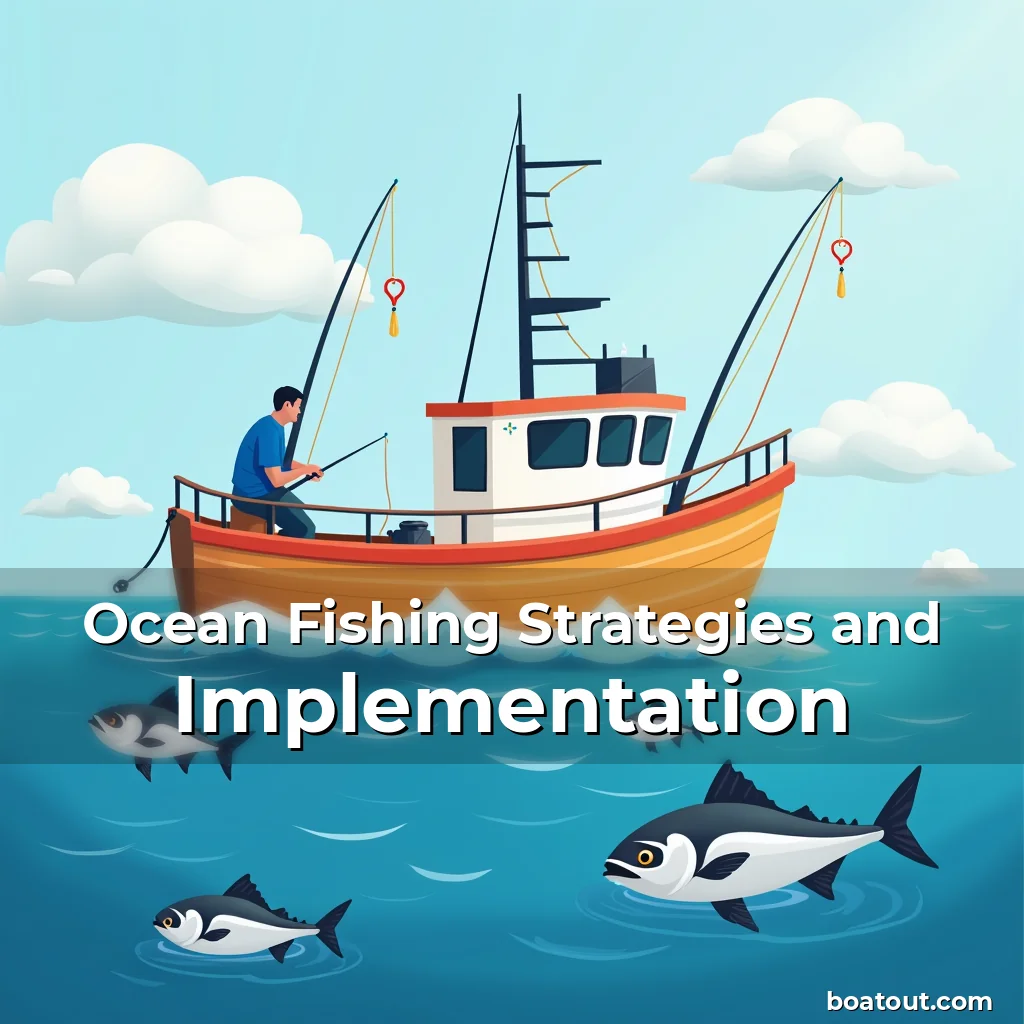
Ocean Fishing Strategies and Implementation
November 25, 2025 | ocean fishing
The Art and Science of Deep-Sea Fishing: Mastering Ocean Angling Techniques
Ocean fishing is an exhilarating blend of adventure, strategy, and deep-seated respect for marine ecosystems. For enthusiasts within the BoatOut community, understanding the nuances of deep-sea angling can transform casual excursions into profound experiences.
Whether you’re chasing trophy marlin off the coast of Hawaii or targeting giant grouper near Florida’s reefs, mastering ocean fishing requires knowledge, patience, and adaptability. This guide delves into the essential techniques, equipment, and environmental considerations that define successful deep-sea ventures.
Fundamentals of Deep-Sea Angling
Deep-sea fishing differs significantly from freshwater angling due to its vastness, depth, and diverse species. The open ocean presents challenges such as unpredictable weather patterns and limited visibility, demanding specialized skills and preparation.
A solid foundation begins with selecting appropriate gear tailored to target species and conditions. From heavy-duty rods designed for battling powerful game fish to corrosion-resistant reels capable of handling extended fights, every component plays a critical role in success.
Understanding tides, currents, and water temperature is crucial for locating productive fishing zones. These natural forces influence where fish congregate, feed, and reproduce, making them invaluable tools for any serious angler.
Weather forecasting becomes a vital skill set for offshore anglers. Sudden changes in barometric pressure can trigger feeding frenzies among pelagic species while also posing safety risks during extreme storms.
Essential Gear and Equipment Selection
Selecting the right tackle can mean the difference between landing a prized catch and losing it to the depths. High-quality carbon fiber rods offer superior strength-to-weight ratios ideal for casting lures over long distances.
Reel choices vary depending on fishing style – spinning reels provide smooth retrieves for finesse presentations, whereas conventional reels excel at managing heavy lines used for big-game species like tuna or swordfish.
- Braided line: Offers minimal stretch and high sensitivity, perfect for detecting subtle bites from wary predators
- Mono/fluoro leader material: Provides abrasion resistance when fighting against rough underwater structures
Lure selection depends heavily on local fisheries’ preferences. Artificial baits ranging from jigs to soft plastics mimic natural prey movements effectively across different light conditions and water clarity levels.
Properly maintained gear ensures both safety and performance. Regular inspections of line integrity, reel functionality, and rod guides prevent catastrophic failures during intense battles with large specimens.
Target Species and Habitat Preferences
Identifying your quarry is fundamental before embarking on any deep-sea expedition. Popular targets include billfish, tuna, mahi-mahi, snapper, and groupers, each requiring distinct approaches based on their behavior patterns.
Billfish species like bluefin and blackfin tuna thrive in warmer waters near thermocline layers, often found following bait schools around floating debris or slicks on the surface.
Grouper and snapper prefer structure-rich environments such as artificial reefs, shipwrecks, or rocky outcroppings where they can ambush passing prey. These bottom dwellers typically require vertical jigging or drop shot techniques.
Tropical regions host vibrant communities of colorful reef-associated fish including snappers, grunts, and parrotfish. Specialized light tackle setups allow precise presentations without spooking these skittish inhabitants.
Techniques for Different Target Species
Casting methods evolve according to species-specific behaviors. Trolling with spreader bars works well for pelagic species by covering large areas efficiently while mimicking schooling fish movements.
Vertical jigging proves effective for deepwater snapper and grouper, allowing anglers to work lures through complex habitats without disturbing nearby fish populations unnecessarily.
Jigging techniques vary greatly – some use fast-retrieval motions to entice aggressive biters while others employ slow twitches to replicate injured prey scenarios attracting cautious feeders.
Swordfish specifically demand specialized approaches involving downriggers and weighted lines to reach optimal depths where these apex predators hunt actively during dawn/dusk periods.
Environmental Considerations and Regulations
Responsible angling practices ensure sustainable fisheries remain healthy for future generations. Understanding seasonal closures, size limits, and bag restrictions protects vulnerable stocks from overexploitation.
Marine protected areas implement strict rules regarding what species may be harvested and how many individuals can be taken annually. Familiarizing oneself with these regulations prevents accidental violations leading to penalties.
Pollution prevention measures extend beyond catching fish; properly disposing of waste materials including oil, fuel residues, and plastic packaging safeguards delicate coastal ecosystems from degradation.
Some regions enforce catch-and-release policies for certain species deemed ecologically significant. Using circle hooks and dehooking tools minimizes injury risk during release procedures.
Navigational Strategies for Offshore Ventures
Effective navigation relies on accurate chartplotters displaying real-time GPS data alongside topographic maps highlighting potential hotspots. Integrating sonar technology reveals underwater structures invisible to the naked eye.
Radar systems become indispensable when visibility drops below safe operating ranges. They detect approaching vessels, weather fronts, and submerged hazards that could pose immediate threats to vessel stability.
Communication devices such as VHF radios maintain contact with shore stations or other boats in case of emergencies. Satellite phones provide backup connectivity far from cellular network coverage areas.
Knowledge of current patterns helps predict drift rates affecting lure presentation effectiveness. Adjusting trolling speeds accordingly maintains optimal lure action matching actual prey movement dynamics.
Preparing Your Vessel for Oceanic Conditions
Vessels must withstand harsh sea conditions characterized by swells up to twenty feet tall encountered frequently during storm seasons. Reinforced hull designs distribute impact forces evenly preventing structural damage.
Stabilization systems like gyroscopic stabilizers reduce roll motion improving comfort and safety aboard smaller craft navigating turbulent waters. This feature becomes particularly beneficial during night fishing operations under low-light conditions.
Electrical systems require redundancy planning since power failures could compromise critical instruments like navigational aids or communication devices mid-voyage. Backup generators and battery banks mitigate these risks effectively.
Emergency preparedness kits contain life rafts, flares, first aid supplies, and signaling devices ensuring survival chances increase dramatically during unforeseen circumstances at sea.
Weather Patterns and Their Impact on Fishing Success
Barometric pressure fluctuations correlate strongly with fish activity levels. Falling pressures often stimulate increased feeding behaviors as aquatic creatures sense atmospheric changes occurring above them.
Wind direction and speed influence wave formation which affects both lure presentation quality and overall comfort aboard fishing vessels. Calm seas enable more delicate presentations while choppy conditions favor robust retrieval styles.
Seasonal variations dictate migration routes followed by various species seeking suitable spawning grounds or food sources along coastal shelves worldwide. Tracking these movements enhances odds of encountering prime catches.
Storm tracking software provides early warnings about developing weather systems potentially disrupting planned fishing trips. Proactive scheduling allows anglers to avoid dangerous situations altogether.
Catch Handling and Preservation Practices
Immediate post-capture care preserves meat quality and increases likelihood of keeping trophy specimens intact. Utilizing ice slurry mixtures cools fillets rapidly minimizing bacterial growth onset.
Photographing catches before processing documents achievements accurately. Including scale references adds credibility to measurements recorded digitally or manually using measuring boards.
Proper cleaning techniques involve removing internal organs promptly then rinsing thoroughly with seawater rather than fresh water which might introduce contaminants harming tissue integrity.
Drying surfaces completely prior to freezing prevents ice crystal formation damaging cell structures responsible for maintaining texture characteristics preferred by most consumers.
Community Engagement and Knowledge Sharing
BoatOut members benefit immensely from collaborative networks exchanging information about recent catches, location updates, and technique refinements continuously evolving the sport itself.
Participating in organized tournaments fosters camaraderie while simultaneously testing individual abilities against fellow competitors pushing boundaries towards greater mastery levels collectively.
Sharing personal anecdotes via social media platforms creates educational resources accessible globally promoting awareness about conservation efforts tied directly to recreational fishing activities.
Local charter services often organize guided expeditions offering beginners opportunities to learn fundamentals safely supervised by experienced professionals dedicated to teaching proper methodologies.
Conclusion
Mastering ocean fishing demands dedication to learning ecological relationships governing marine life interactions while honing technical proficiency across multiple disciplines simultaneously.
By integrating scientific principles with traditional wisdom acquired through hands-on experience, modern anglers contribute positively toward preserving our planet’s rich biodiversity thriving beneath waves covering three-quarters of Earth’s surface.

news is a contributor at BoatOut. We are committed to providing well-researched, accurate, and valuable content to our readers.