NYC to pay 3 5M to family of Belgian FF killed in FDNY fireboat crash
February 26, 2025 | BoatOut
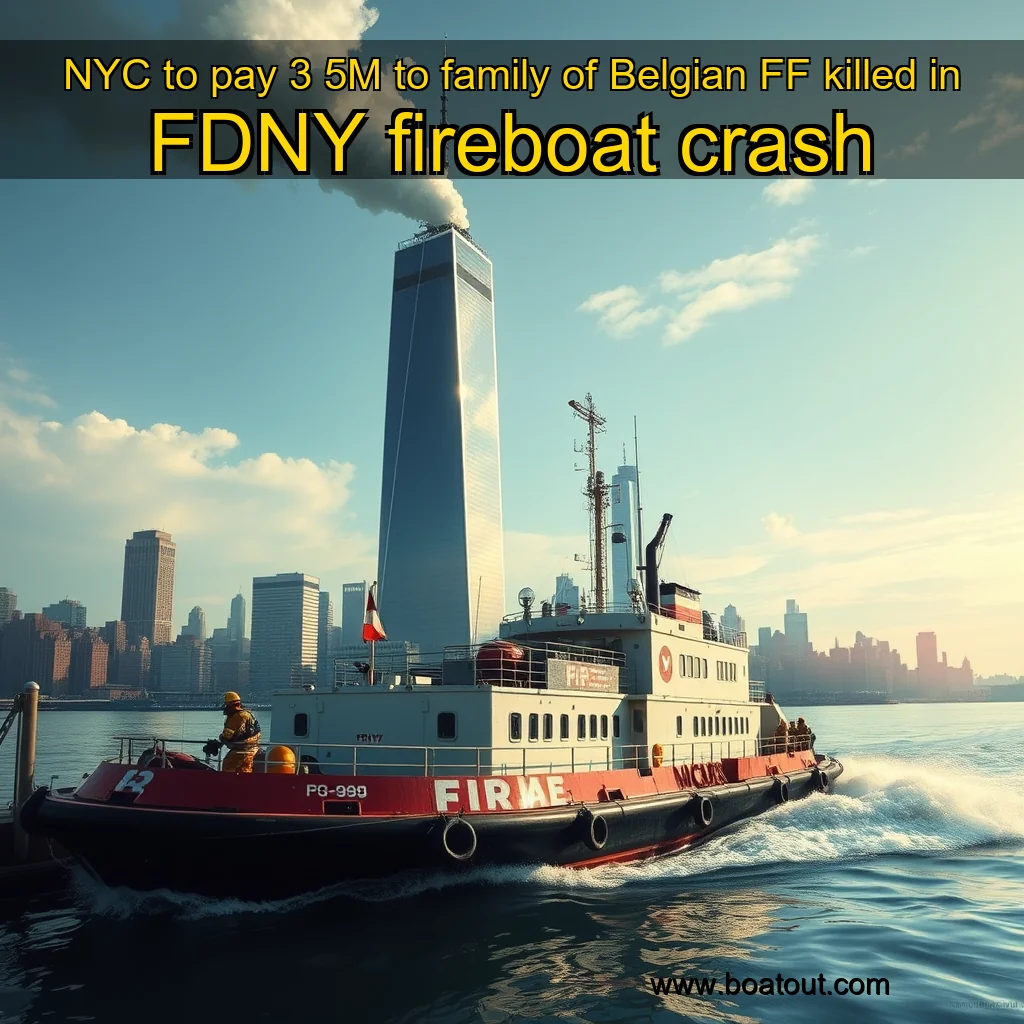
The FDNY craft Marine 1 Bravo is a 45-foot-long, 12-foot-wide, and 6-foot-deep vessel designed for transporting personnel and equipment.
Devastating Ferry Disaster Claims 11 Lives, Exposes FDNY’s Safety Failures.
The FDNY was ordered to pay $1.5 million in damages.
The Tragic Ferry Disaster of 1990
Background
On June 27, 1990, a devastating ferry disaster occurred in New York Harbor, claiming the lives of 11 people and injuring 71 others. The tragedy was a result of a combination of human error, inadequate safety measures, and a lack of effective communication.
The Investigation
The National Transportation Safety Board (NTSB) conducted an extensive investigation into the incident. The findings revealed that the FDNY’s vessel, the “Fireboat 1,” was traveling at an excessive speed of approximately 25 knots (29 mph) in a no-wake zone. The crew’s inadequate lookout also contributed to the accident, as they failed to spot the ferry in time.
The Aftermath
The Coast Guard determined that the FDNY was at fault, finding excessive speed and inadequate lookout. The owner of the charter boat, New York City Boat Tours, and its skipper, Edward Mattiace, agreed to pay out $500,000.
The Investigation’s Key Findings
The Consequences of the Disaster
The ferry disaster had a profound impact on the maritime industry, leading to changes in safety regulations and procedures.
The Incident
The incident occurred on a sunny day in late summer. The Honcho was sailing in the open waters of the Pacific Ocean, approximately 20 miles off the coast of California. The crew was enjoying the warm weather and the scenic views of the coastline. The Bravo, on the other hand, was speeding along, its engines roaring as it cut across the Honcho’s bow. Key factors contributing to the incident: + The Bravo was traveling at an excessive speed, exceeding the recommended cruising speed for its size and type.
The Investigation and Aftermath
The investigation into the crash was led by the National Transportation Safety Board (NTSB). The NTSB’s preliminary report stated that Mattiace was traveling at a speed of approximately 35 miles per hour in a 25-mile-per-hour zone. The report also noted that Mattiace’s vehicle was traveling in the opposite direction of oncoming traffic. Key findings from the NTSB’s preliminary report: + Mattiace was traveling at a speed of approximately 35 miles per hour in a 25-mile-per-hour zone. + Mattiace’s vehicle was traveling in the opposite direction of oncoming traffic.
Ride-alongs require authorization and adherence to strict guidelines to ensure public safety and department security.
FDNY Ride-Along Policy
The FDNY ride-along program is a unique opportunity for civilians to experience the daily operations of the New York City Fire Department. However, the FDNY has strict guidelines and regulations in place to ensure the safety and security of its members and the public.
Authorized Ride-Alongs
To participate in an FDNY ride-along, civilians must meet specific requirements and follow established procedures. The FDNY has designated certain personnel, including the Chief of Special Operations Command and designees, to authorize ride-alongs.

news is a contributor at BoatOut. We are committed to providing well-researched, accurate, and valuable content to our readers.