Navigating Thrills: A Comprehensive Journey Through Boating Adventures
October 30, 2025 | Boating adventures
Navigating Thrills: A Comprehensive Journey Through Boating Adventures
Boating adventures offer a gateway to untamed beauty, from serene lakes to vast open oceans, blending excitement with the tranquility of waterborne exploration. Whether you’re casting lines in freshwater fisheries, charting courses through coastal passages, or gliding over tranquil bays, every voyage promises a unique experience shaped by nature’s rhythms and personal ambition.
The world of boating is as diverse as those who pursue it, encompassing everything from solo excursions in compact kayaks to multi-week expeditions aboard luxury yachts. This guide delves into the intricacies of these journeys, equipping enthusiasts with knowledge, inspiration, and practical wisdom to navigate the seas safely and joyfully.
Understanding the Types of Boating Adventures Available
At the heart of boating lies a spectrum of activities tailored to individual preferences, ranging from leisurely cruises to adrenaline-fueled pursuits. Freshwater fishing trips, for instance, attract anglers seeking solitude amid mountainous reservoirs or sprawling inland lakes, where the thrill of reeling in bass, trout, or catfish becomes a meditative ritual. Conversely, oceanic voyages draw adventurers craving the challenge of navigating unpredictable currents, towering waves, and the ever-changing moods of the sea.
Kayaking and stand-up paddleboarding cater to those who prefer intimacy with the water, allowing explorers to weave through mangrove forests, hidden coves, and coral reefs with minimal environmental impact. Meanwhile, motorsport enthusiasts find their calling in high-speed races along coastlines or competitive sailing regattas, where precision, strategy, and teamwork determine victory.
- Fishing Excursions: Ideal for patience-driven individuals, these trips often emphasize catching fish while appreciating natural surroundings, though seasoned anglers may seek trophy-sized catches in remote locations.
- Sailing Expeditions: Require mastery of wind dynamics, route planning, and crew coordination, making them popular among families and groups aiming to test their navigational prowess together.
Essential Gear Every Boater Should Possess
No successful boating adventure begins without the right equipment, which serves as both a lifeline and a tool for maximizing enjoyment. A well-maintained vessel is paramount, but equally critical are safety-focused accessories such as life jackets, fire extinguishers, and signaling devices. These items collectively form the foundation of preparedness, ensuring that mishaps remain manageable rather than catastrophic.
Beyond safety essentials, comfort-enhancing gear plays a pivotal role in shaping the overall experience. Items like waterproof clothing, sunscreen, binoculars, and onboard entertainment systems transform ordinary trips into memorable escapades. Additionally, specialized tools such as depth sounders, GPS units, and anchor winches streamline operations, particularly during complex maneuvers or extended voyages.
The Lifesaving Role of Personal Flotation Devices
Personal flotation devices (PFDs), commonly known as life jackets, are non-negotiable in boating scenarios. According to the U.S. Coast Guard, nearly 80% of drowning victims in recreational boating incidents were not wearing PFDs—a sobering statistic underscoring their necessity. Modern designs prioritize comfort alongside buoyancy, offering options from sleek inflatable models suited for racing to rugged neoprene suits ideal for cold-water environments.
Selecting the correct type of PFD depends on activity level, water conditions, and user weight. For example, offshore sailors benefit from Type III vests designed for active movement, whereas children require smaller, brightly colored models to enhance visibility. Regular inspections and replacements based on wear-and-tear guidelines further safeguard against potential failures.
Choosing the Right Vessel for Your Adventure Style
The choice of vessel significantly influences the kind of experiences accessible to boaters, necessitating careful consideration of intended usage, budget constraints, and long-term goals. Powerboats equipped with outboard engines excel in speed and versatility, making them suitable for day-trippers or those venturing into rougher waters. In contrast, sailboats provide an immersive connection with wind forces, appealing to environmentally conscious travelers or those seeking self-sufficient travel methods.
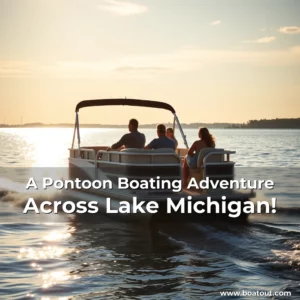
Cabin cruisers, tenders, and pontoon boats represent additional categories catering to distinct needs. Families often favor pontoon-style vessels for their stability and spacious seating arrangements, while single-hull skiffs serve niche purposes like shallow-water fishing or swift river crossings. Evaluating storage capacity, fuel efficiency, and ease of handling ensures alignment between vessel capabilities and adventure objectives.
Preparing for a Safe and Enjoyable Trip
Rigorous pre-voyage preparations distinguish responsible boaters from casual participants, mitigating risks associated with unforeseen circumstances. This includes reviewing weather forecasts, inspecting mechanical components, and confirming compliance with local maritime laws. Establishing clear communication protocols among crew members also proves vital, especially when navigating unfamiliar territories or dealing with emergencies.
Creating a float plan—an informal yet effective method of informing others about your itinerary—is recommended for all outings, regardless of duration. Detailed information regarding departure times, expected return dates, and alternate contact persons facilitates rescue operations should deviations occur. Furthermore, securing insurance coverage tailored to aquatic activities provides financial safeguards against damages or liabilities.
Mastery of Safety Protocols During Adverse Conditions
Even experienced mariners must remain vigilant about evolving threats posed by adverse weather, wildlife encounters, or mechanical breakdowns. Familiarity with distress signals—including visual markers like orange smoke flares and auditory alarms—ensures timely assistance reaches distressed parties swiftly. Practicing abandon ship drills periodically reinforces muscle memory necessary during chaotic situations.
Incorporating basic first aid training into regular routines empowers crews to manage minor injuries until professional help arrives. Stocking emergency kits containing bandages, antiseptics, and medications addresses common ailments encountered at sea. Additionally, possessing knowledge about hypothermia prevention techniques remains invaluable in colder climates or prolonged exposure scenarios.
Deciphering Weather Patterns Before Setting Sail
Accurate interpretation of meteorological data forms part of prudent decision-making processes prior to embarking on any journey. Understanding pressure systems, cloud formations, and wave heights enables forecasters—and subsequently, boaters—to anticipate shifts in atmospheric conditions accurately. Mobile applications providing real-time satellite imagery assist in tracking approaching fronts capable of altering planned routes dramatically.
Leveraging historical records concerning seasonal variations adds another layer of foresight; certain regions exhibit predictable storm cycles influencing optimal travel periods accordingly. Collaborating with certified marine weather services enhances reliability, particularly when undertaking cross-ocean ventures fraught with unpredictable elements.
Navigational Techniques Enhancing Exploration Efficiency
Proficient navigation relies heavily upon integrating traditional methodologies with modern technologies, ensuring precise location awareness amidst dynamic landscapes. Reading nautical charts complements digital mapping solutions, granting users alternative perspectives useful during technological malfunctions. Mastering latitude/longitude coordinates coupled with compass bearings allows independent positioning devoid of electronic dependencies.
Piloting skills evolve through continuous practice involving tasks such as anchoring procedures, docking maneuvers, and collision avoidance tactics. Utilizing radar systems aids detection of submerged obstacles invisible beneath surface waters, thereby preventing costly damage. Moreover, maintaining proficiency in celestial navigation preserves functionality under extreme conditions where conventional means falter.
Eco-Friendly Practices Preserving Marine Environments
Responsible boating entails minimizing ecological footprints left behind after traversals, preserving fragile ecosystems for future generations’ enjoyment. Adopting low-emission propulsion alternatives like electric motors reduces pollution levels affecting underwater habitats adversely impacted by fossil fuels. Implementing waste segregation protocols prevents plastic accumulation harming aquatic fauna reliant on clean surroundings.
Adhering strictly to designated anchoring zones avoids disturbing sensitive seafloor structures housing biodiversity hotspots. Employing reef-safe sunscreens shields corals from chemical degradation caused by toxic ingredients present in standard formulations. Participating in organized beach cleanup initiatives fosters collective stewardship towards healthier coasts accessible year-round without restrictions imposed due to environmental degradation.
Community Engagement Opportunities Within the Boating World
Active participation within boating communities enriches personal growth opportunities, fostering connections between fellow enthusiasts sharing similar passions. Attending regional regattas or festivals exposes newcomers to cutting-edge developments shaping contemporary practices while simultaneously building networks advantageous for resource exchanges and collaborative undertakings.
Volunteering with conservation organizations dedicated to restoring degraded waterfront areas instills deeper appreciation for preservation efforts undertaken globally. Mentorship programs pairing veterans with novices cultivate intergenerational bonds centered around mutual learning experiences enhancing technical expertise progressively over time.
Financial Planning Strategies for Sustainable Participation
Adequate fiscal planning alleviates stressors linked to unexpected expenses arising during adventures, enabling uninterrupted engagement without undue burden on personal finances. Allocating funds specifically toward maintenance schedules, spare parts inventory, and periodic professional servicing maintains operational readiness consistently irrespective of fluctuating demand levels.
Exploring shared ownership models offers cost-effective access to premium vessels otherwise unaffordable individually, distributing upkeep responsibilities evenly amongst participating stakeholders. Negotiating favorable lease agreements with reputable charter companies presents viable alternatives for occasional users desiring flexibility without permanent commitments entailed by outright purchases.
Health Considerations Specific To Aquatic Travel
Physical wellness constitutes integral facets requiring attention before initiating lengthy voyages away from familiar healthcare facilities. Conducting thorough health assessments addressing chronic illnesses, allergies, or pre-existing vulnerabilities establishes baseline parameters guiding treatment decisions enroute. Carrying prescribed medications securely stored protects against loss resulting from inclement weather damaging containers improperly sealed.
Preventative measures against dehydration become particularly relevant during tropical cruising seasons characterized by intense solar radiation intensifying evaporative losses rapidly. Hydration stations strategically placed throughout interiors facilitate consistent intake intervals throughout days spent exposed outdoors. Recognizing symptoms indicative of heat exhaustion early permits prompt intervention averting severe complications.
Trends Shaping Future Developments In Maritime Recreation
Ongoing advancements propel continual evolution within recreational boating sectors, introducing novel features aimed at elevating convenience and performance standards concurrently. Integration of artificial intelligence algorithms assists in predictive analytics regarding probable course alterations influenced by changing tides or shifting wind directions automatically adjusting sails accordingly.
Emerging hybrid engine configurations combining diesel combustion with hydrogen fuel cells exemplify sustainable progressions targeting carbon neutrality aspirations widely embraced today. Virtual reality simulations enable novice pilots acquiring foundational competencies safely via simulated environments reducing dependency solely upon actual seaworthiness trials initially.
Conclusion
From mastering fundamental principles governing safe operation to embracing innovative breakthroughs transforming industry norms, boating adventures encapsulate multifaceted dimensions demanding holistic approaches balancing tradition with modernization effectively. By cultivating respect for nature’s boundaries while leveraging available resources judiciously, practitioners contribute positively toward nurturing thriving ecosystems supporting countless species inhabiting our planet’s extensive water bodies.
Whether launching solitary quests seeking solitude or joining vibrant collectives pursuing communal endeavors, each journey contributes uniquely toward forging indelible memories cherished lifelong. Armed with comprehensive knowledge spanning myriad topics explored above, aspiring adventurers now possess requisite tools empowering them confidently embark upon exhilarating exploits awaiting discovery across horizons unfurling endlessly before determined souls ready to explore what lies ahead.

news is a contributor at BoatOut. We are committed to providing well-researched, accurate, and valuable content to our readers.