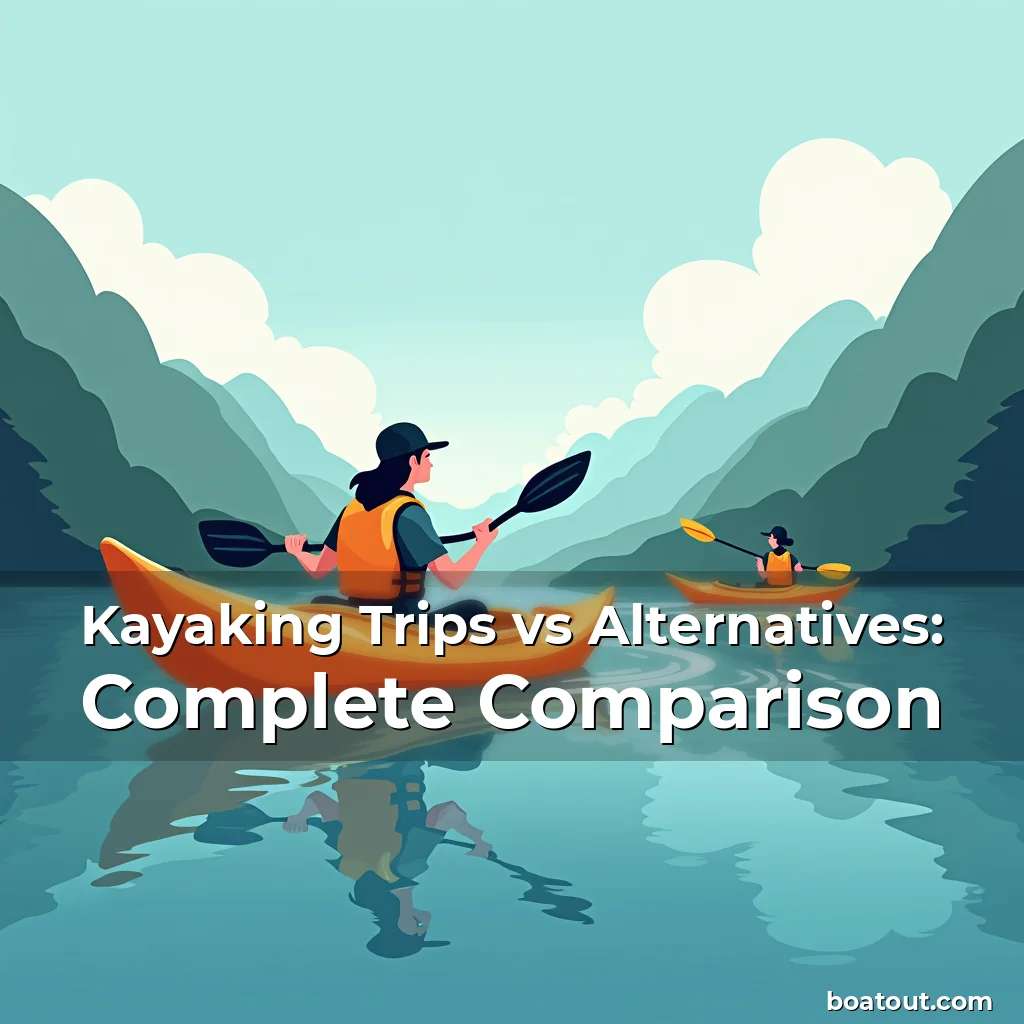
Kayaking Trips vs Alternatives: Complete Comparison
Kayaking has emerged as one of the most versatile and rewarding outdoor pursuits, offering thrill-seekers, nature lovers, and casual adventurers alike a way to connect with waterways around the world. Whether gliding across serene lake surfaces or navigating turbulent ocean swells, kayaking provides unparalleled access to natural landscapes that few other activities can match.
This guide dives deep into what makes kayaking trips unique compared to alternative water-based hobbies, exploring everything from equipment choices to environmental impact. We’ll compare kayaking against options like canoeing, stand-up paddleboarding, and even power boating to help you determine whether this ancient craft aligns with your goals and interests.
The Unique Appeal of Kayak-Based Exploration
Kayaking distinguishes itself through its blend of mobility, agility, and immersive potential. Unlike larger vessels, kayaks allow users to weave through narrow river channels, approach secluded coves, and navigate shallow waters where bigger boats cannot venture. This unmatched access to hidden gems of natural beauty sets kayaking apart from many competitors in the aquatic recreation space.
The sport’s simplicity further enhances its appeal. A basic tandem kayak requires minimal setup before hitting the water, making it ideal for spontaneous getaways or family outings. In contrast, sailboats demand extensive preparation, and jet skis require fuel, licenses, and specialized training—all barriers that make kayaking particularly attractive to newcomers seeking immediate adventure.
- Portability: Most recreational kayaks weigh under 60 pounds, allowing easy transportation to remote launching sites
- Versatility: From calm inland ponds to open ocean expeditions, kayaks adapt to nearly every water environment
- Cost-effectiveness: Initial investment is significantly lower than comparable boating options like motor yachts or speedboats
Comparative Advantages Over Traditional Water Sports
When stacked against alternatives like canoeing and stand-up paddleboarding, kayaking reveals distinct strengths that cater to diverse preferences. Canoeists often prioritize leisurely pace and multi-person trips, while stand-up paddlers seek balance challenges and dynamic movement—but none offer the same level of precision control available in a seated kayak.
Modern design innovations have expanded kayaking’s capabilities beyond traditional perceptions. Sit-on-top models provide effortless entry/exit and greater stability for beginners, while advanced sit-inside designs enable efficient long-distance touring. These advancements position kayaking as both a beginner-friendly gateway activity and a high-performance pursuit for seasoned athletes.
Statistical Insights Into Popularity Trends
Data from Adventure Recreation Reports indicates a 18% annual increase in kayaking participation since 2015, outpacing growth rates in similar water sports. This surge reflects broader societal shifts toward health-conscious lifestyles and sustainable tourism practices that kayaking naturally supports.
In terms of demographic reach, kayaking appeals to a wider age range than many alternatives. While rock climbing attracts primarily younger demographics, kayaking draws participants from teenagers to retirees, demonstrating remarkable cross-generational appeal when properly equipped and guided.
Evaluating Safety Profiles Across Activities
Safety considerations play a pivotal role in selecting an appropriate water sport. Compared to motorized activities like wakeboarding or personal watercraft riding, kayaking presents inherently lower risk profiles due to its passive propulsion system and stable hull designs.
However, the relative safety of kayaking depends heavily on skill level and environmental awareness. Novice paddlers must learn fundamental skills like bracing techniques and roll recovery methods before venturing beyond protected waters. Advanced practitioners face risks associated with open-water navigation and extreme weather expo
Fitness Benefits Unmatched by Many Competitors
Kayaking delivers a full-body workout that rivals many gym exercises while maintaining a low-impact profile. The repetitive motion of paddling engages core muscles, shoulders, and back in ways that differ from cycling or swimming, making it an excellent choice for those seeking functional fitness.
Paddle stroke mechanics create resistance patterns similar to rowing but with reduced strain on joints. Studies show regular kayakers develop improved cardiovascular stamina and muscular endurance at comparable rates to runners who log equivalent miles, validating its effectiveness as an aerobic exercise option.
Adaptability for Diverse Physical Abilities
The adjustable nature of modern kayak seating systems allows individuals with varying mobility levels to participate comfortably. Features like wide seats, adjustable footrests, and lightweight materials accommodate users recovering from injuries or managing chronic conditions.
Rehabilitation specialists increasingly recommend controlled kayaking sessions for patients undergoing post-injury recovery, citing the gentle resistance and focused muscle activation as beneficial therapeutic components. This inclusivity expands kayaking’s relevance far beyond typical outdoor enthusiast circles.
Environmental Impact Considerations
America’s Clean Water Act highlights kayaking’s negligible environmental footprint compared to motorized watercraft. Without engines emitting pollutants or disturbing marine ecosystems, kayaks represent one of the greenest forms of aquatic exploration available today.
Responsible kayakers contribute positively to conservation efforts through actions like beach cleanups, wildlife observation reporting, and adherence to designated routes. These practices reinforce kayaking’s status as an environmentally conscious activity that complements rather than compromises natural habitats.
Financial Investment Analysis
While high-end racing kayaks can cost upwards of $3,000, entry-level recreational models typically range between $300-$700—a price point vastly more affordable than comparable boating ventures. Used marketplaces frequently feature gently used kayaks selling for less than half new retail values, making the sport economically accessible to a broad audience.
Ongoing costs remain relatively modest compared to powerboat ownership. Annual maintenance includes periodic inspections ($50-100), occasional waxing treatments ($20-40), and replacement of worn-out parts like rudders or hatches. These figures pale in comparison to fuel costs, insurance premiums, and docking fees associated with motorized watercraft.
Community Engagement Opportunities
Kayaking fosters stronger social connections than many isolated outdoor pursuits. Local clubs organize weekly meetups, guided tours, and skill development workshops that cultivate lasting friendships among participants. These structured interactions create supportive environments for learning and growing within the sport.
Digital platforms now enhance community building by connecting kayakers worldwide. Online forums facilitate route sharing, weather forecasting exchanges, and event coordination, transforming solitary journeys into collective experiences. Social media groups dedicated to specific regions or skill levels further enrich the communal aspect of the sport.
Future Innovations Shaping Kayaking Experiences
Rapid technological advances promise to redefine kayaking possibilities in the coming decade. Smart kayaks equipped with GPS tracking, waterproof phone mounts, and built-in sonar systems already exist, enhancing safety and convenience during extended trips.
Material science breakthroughs continue improving performance characteristics. Carbon fiber composites reduce weight while increasing durability, and inflatable hybrid models combine portability with rigid-hull stability. These innovations suggest an exciting future where kayaking will become even more accessible and enjoyable for global audiences.
Conclusion
Kayaking stands uniquely positioned at the intersection of adventure, fitness, and environmental responsibility. Its ability to deliver thrilling experiences while remaining financially viable and ecologically sound makes it an exceptional choice for anyone seeking meaningful connection with water environments.
Whether you’re drawn to the tranquility of sunrise paddles on glassy lakes or the adrenaline rush of whitewater rapids, there exists a kayaking opportunity tailored to your preferences. With careful planning, appropriate gear selection, and respect for natural surroundings, every kayaker can enjoy safe, fulfilling adventures that leave lasting memories.
“`

news is a contributor at BoatOut. We are committed to providing well-researched, accurate, and valuable content to our readers.