Kayaking Trips for Beginners: Getting Started
March 12, 2026 | kayaking trips
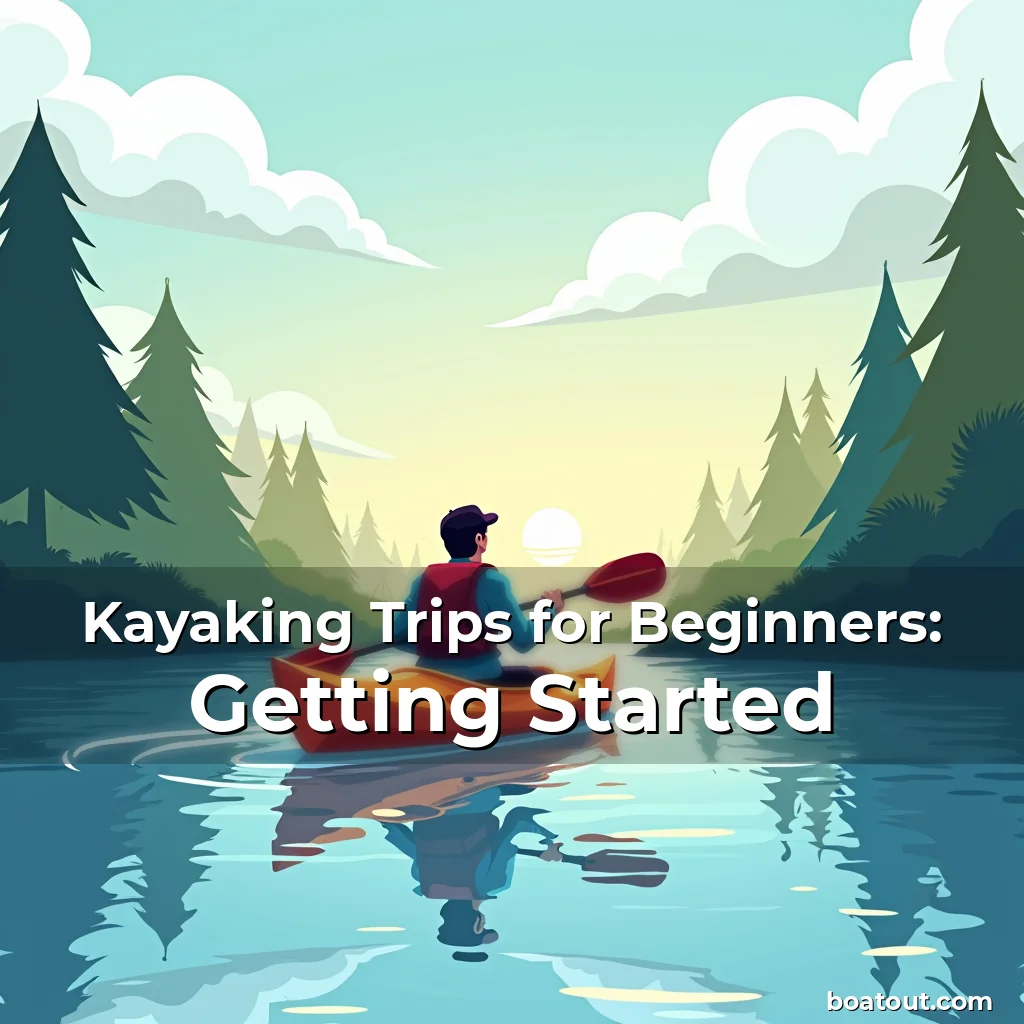
Kayaking Trips for Beginners: Discovering Nature’s Waterways
Kayaking offers a thrilling blend of adventure, tranquility, and physical activity, perfect for those seeking new ways to explore the great outdoors. Whether gliding through serene lakes or navigating gentle river currents, kayaking provides an accessible gateway to experiencing nature up close.
This guide caters to newcomers eager to embark on their first kayaking journey while offering seasoned adventurers fresh perspectives on maximizing their outdoor excursions. From essential gear to route planning, we’ll cover everything you need to know for unforgettable water-based adventures.
Gear Essentials for Your First Kayak Trip
Before setting off, acquiring the right equipment is crucial for both safety and enjoyment. A sturdy kayak suited to your intended environment forms the foundation of any successful trip. Sit-in models offer better stability for open water, while sit-on-top designs provide ease of entry and exit for recreational paddling.
Your personal flotation device (PFD) remains non-negotiable; choose one designed for kayakers to ensure full mobility and comfort during extended periods on the water. Additional necessities include a durable paddle, waterproof dry bags for storing belongings, and a whistle for signaling emergencies.
- Paddle Selection: Opt for a lightweight carbon fiber or fiberglass model tailored to your height and stroke preference, enhancing efficiency and reducing fatigue.
- Clothing Choices: Quick-drying fabrics prevent discomfort from unexpected splashes, while layered attire accommodates fluctuating temperatures.
Safety Tips Every Beginner Should Know
While kayaking can be immensely rewarding, prioritizing safety ensures every journey remains enjoyable. Always inspect your vessel for leaks, secure all fittings, and test your PFD for proper fit before launching. Familiarity with basic self-rescue techniques proves invaluable in case of capsize scenarios.
Monitor weather forecasts diligently, avoiding trips during high winds or thunderstorms. Inform someone of your planned route and estimated return time—a simple precaution that can significantly enhance your peace of mind.
Emergency Preparedness Checklist
A well-stocked survival kit includes items such as a first aid pack, waterproof matches, and a sponge for re-entering a swamped kayak. Cell phone waterproof cases allow communication in emergencies, though signal strength may vary depending on location.
Practicing capsizing drills in shallow, calm waters builds confidence. Learn to roll your kayak back upright or deploy a throw bag if assisting another paddler becomes necessary. These skills often mean the difference between a minor inconvenience and a serious situation.
Selecting the Perfect Location for Newcomers
New kayakers benefit greatly from starting in controlled environments. Calm lake settings minimize current challenges, allowing focus on mastering balance and technique. Coastal bays with minimal wave activity serve as excellent alternatives for those drawn to oceanic scenery.
Research local regulations regarding access rights and environmental protections. Some parks require permits or charge fees for boater use, while protected wetlands impose strict guidelines to preserve ecosystems. Respectful recreation fosters sustainable tourism benefits everyone involved.
Planning Your Itinerary Like a Pro
Effective trip planning begins with defining goals—whether pursuing wildlife observation, photography opportunities, or simply enjoying solitude on the water. Establish realistic expectations based on fitness levels, available daylight hours, and potential weather disruptions.
Create a backup plan for adverse conditions, including identifying safe landing spots along your route. Pack essentials such as energy-rich snacks, ample drinking water, and sun protection. Consider bringing a map printed offline for situations where electronic devices fail unexpectedly.
Navigational Skills for Smooth Waters
Understanding water dynamics improves every kayaker’s experience. Observe surface ripples indicating underwater obstructions or stronger currents ahead. Maintain consistent strokes to avoid drifting toward hazardous zones like submerged tree limbs or rocky outcrops.
Leverage natural landmarks for orientation—mountain ridgelines, distinctive rock formations, and even cloud patterns assist in determining direction. Modern technology complements traditional methods; GPS-enabled devices prove especially helpful in unfamiliar territories.
Weather Wisdom: Reading Conditions Before Launching
Weather patterns dictate much of what happens on the water. Wind speed over 15 knots creates challenging whitecaps, particularly problematic for novice paddlers. Monitor barometric pressure trends—falling readings often precede storm systems requiring immediate retreat from exposed positions.
Be prepared for microclimates near shorelines where temperature gradients differ dramatically from open waters. Layered clothing allows quick adjustments as conditions change, maintaining body warmth vital for prolonged exposure regardless of season.
Community Connections: Joining Local Kayaking Groups
Bonding with fellow paddlers enriches the entire experience. Local clubs frequently organize group outings ranging from sunrise cruises to multi-day expeditions. Participating in these events introduces participants to shared knowledge about hidden coves, seasonal migration patterns, and conservation efforts.
Online platforms facilitate connecting with international communities exchanging tips on lesser-known routes and equipment innovations. Attending workshops covering topics like river etiquette or wildlife tracking expands horizons beyond casual paddling sessions.
Eco-Conscious Practices for Sustainable Exploration
Responsible kayaking preserves pristine environments for future generations. Adhere to Leave No Trace principles by carrying out all waste, avoiding contact with sensitive habitats, and keeping noise levels low to protect aquatic life. Choose biodegradable sunscreen to mitigate chemical runoff effects on coral reefs.
Support organizations dedicated to waterway preservation through donations or volunteer work. Many groups rely on public participation to monitor pollution incidents or rehabilitate damaged ecosystems—an opportunity to contribute meaningfully while enjoying outdoor pursuits.
Pushing Boundaries: Advancing Your Kayaking Journey
As proficiency grows, challenge yourself with longer trips featuring varied terrain. Explore tidal estuaries where shifting salinity levels create dynamic ecosystems teeming with birdlife. Undertake overnight camping expeditions requiring additional preparation but offering unparalleled immersion in natural surroundings.
Incorporate cross-training activities like swimming or hiking to build overall stamina. Learning advanced techniques such as eddy turns or ferrying maneuvers opens doors to more complex water features previously deemed inaccessible. Continuous education keeps the sport endlessly fascinating and continually evolving.
Conclusion
Whether embarking on solitary reflections amidst tranquil waters or joining spirited group adventures, kayaking promises transformative experiences that deepen our connection with nature. With careful preparation, respect for the environment, and openness to growth, every journey contributes to lasting memories and expanded horizons.
Start today by researching local launch sites, gathering essential gear, and sharing your excitement with friends who share your love for outdoor exploration. The world’s waterways await your discoveries—what will your next adventure bring?

news is a contributor at BoatOut. We are committed to providing well-researched, accurate, and valuable content to our readers.