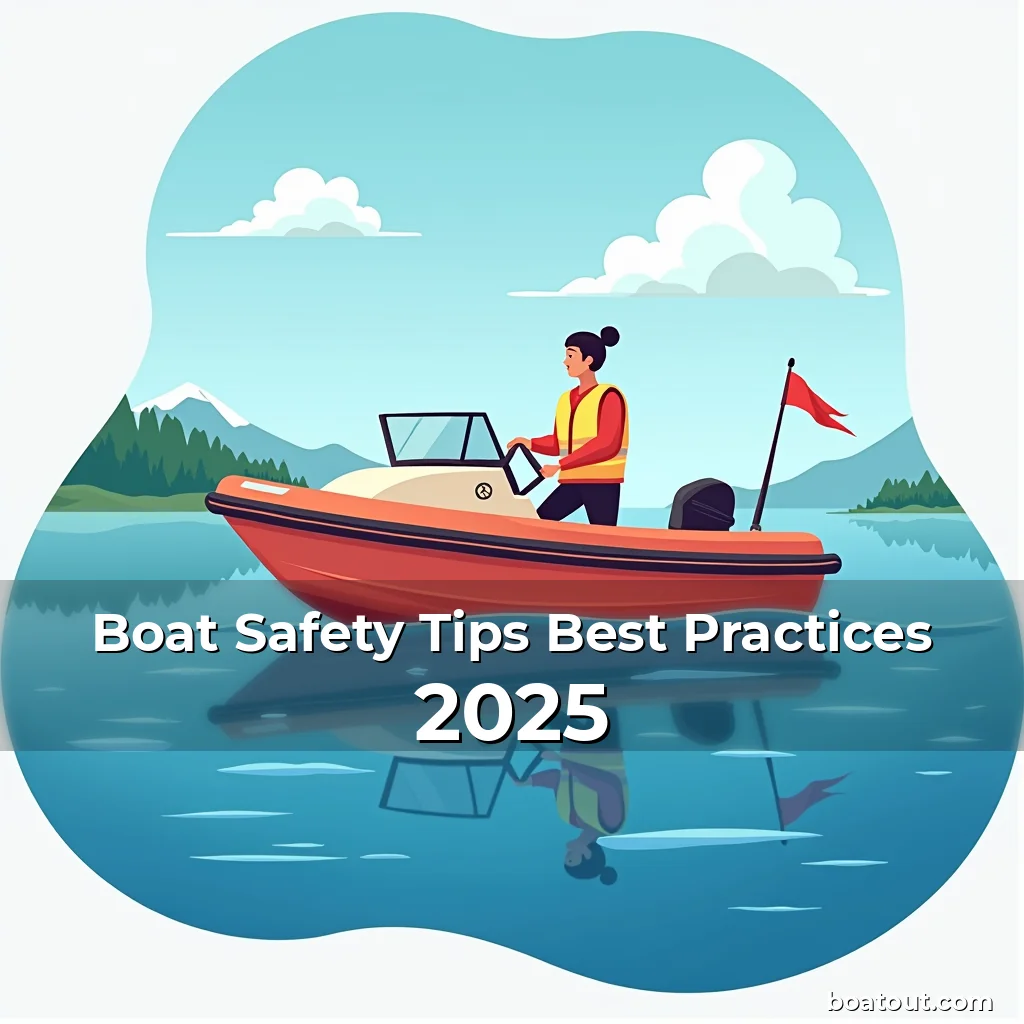
Boat Safety Tips Best Practices 2025
March 22, 2026 | boat safety tips
Mastering Maritime Security: A Comprehensive Guide to Boat Safety in 2025
In an era where boating has become increasingly popular among recreational enthusiasts and professionals alike, mastering boat safety remains non-negotiable. From serene lake cruises to open-sea adventures, every journey demands meticulous preparation and adherence to proven protocols.
The evolution of maritime technology and regulatory standards has introduced new dimensions to safety practices. This guide consolidates cutting-edge strategies and time-tested principles to equip every sailor with knowledge that could mean the difference between a safe return and a tragic outcome.
Pre-Departure Essentials: Building Your Safety Foundation
A well-prepared departure begins long before stepping onto the vessel. Conducting thorough inspections ensures your boat is seaworthy and ready for whatever conditions await. Focus particularly on areas prone to wear and tear during regular usage.
Inspect hull integrity by checking for cracks, blisters, or signs of delamination. These issues compromise buoyancy and structural stability. Confirm bilge pumps function properly and that watertight seals remain intact after previous voyages.
- Hull Inspection: Examine the bottom of the boat for damage that could lead to water ingress during operation
- Bilge Pump Check: Test manual and automatic systems to ensure rapid response capability in emergencies
- Watertight Integrity: Verify hatch covers, doors, and windows seal effectively against water intrusion
Do not overlook routine maintenance tasks like engine oil changes or propeller inspections. Neglecting these basics increases risk exponentially when unexpected challenges arise mid-voyage.
Before launching, review your onboard inventory meticulously. Stock essential tools, spare parts, and documentation proving ownership and compliance with local regulations. This preparation creates peace of mind and readiness for unforeseen circumstances.
Life Jacket Protocols: Ensuring Personal Survival Equipment Readiness
Personal flotation devices (PFDs) form the first line of defense in aquatic emergencies. Their effectiveness depends entirely on accessibility, condition, and proper fit for all passengers.
Choose PFDs rated for the intended activity level – Type III vests suit general recreation while Type V inflatable units offer specialized protection. Regularly inspect straps, buckles, and inflation mechanisms to prevent malfunctions.
Variety Matters: Selecting Appropriate Life Jackets
Different activities demand distinct PFD configurations. Kayakers benefit from streamlined designs allowing full range of motion, whereas offshore sailors require heavier gear capable of withstanding harsher conditions.
Children’s sizes vary significantly, necessitating careful selection based on weight ranges rather than age alone. Always test harness tightness to ensure secure positioning during rough waters.
Familiarize yourself with how each vest operates. Inflatable models require knowing location and operation of CO2 cartridges, while traditional foam-filled versions simply need being pulled over the head quickly.
Navigational Awareness: Mastering Environmental Conditions
Closely monitoring surrounding conditions enables early identification of potential hazards. Develop skills to interpret subtle changes in wind patterns, wave behavior, and visibility levels.
Maintain constant visual contact with other vessels, buoys, and navigational markers. Use binoculars to spot distant dangers beyond immediate sightlines. Keep radar and sonar systems operational for enhanced situational awareness.
Understand local tides and currents affecting maneuverability. Strong crosscurrents can dramatically alter course unless accounted for proactively. Adjust speed accordingly when entering shallow waters or near underwater obstructions.
Weather forecasts should dictate daily sailing plans. Recognize warning signals indicating deteriorating conditions – sudden temperature drops often precede storms hours ahead of visible cloud formations.
Emergency Preparedness: Planning for the Unplanned
Even seasoned mariners encounter unexpected situations requiring swift action. Preparing contingency plans minimizes panic and maximizes chances of survival in crisis scenarios.
Create a customized emergency kit containing flares, fire extinguishers, first aid supplies, and communication devices. Store duplicates in waterproof containers accessible from multiple locations aboard the vessel.
- Flare Inventory: Maintain red parachute flares for signaling distress during daylight hours
- Fire Suppression: Carry Class B fire extinguishers suitable for combating fuel-related fires
- Medical Supplies: Include items addressing common injuries like cuts, burns, and allergic reactions
Conduct regular drills simulating various emergencies – man-overboard scenarios, engine failure responses, and capsizing procedures. Practice deploying life rafts and using EPIRB (emergency position-indicating radio beacon) devices proficiently.
Ensure all crew members know their roles during crises. Assign responsibilities such as operating radios, managing flares, and administering basic medical care to reduce confusion during high-stress moments.
Communication Systems: Staying Connected at Sea
Reliable communication channels serve as lifelines during emergencies. Understanding available options enhances ability to summon help promptly when needed.
Install VHF marine radios programmed with local coast guard frequencies. Familiarize yourself with Digital Selective Calling (DSC) features enabling automated distress alerts to nearby vessels and authorities.
Solar-powered satellite phones offer backup connectivity in remote regions beyond cellular network reach. Charge batteries regularly and store them in easily accessible compartments.
Keep paper charts updated alongside electronic navigation systems. In case of power failures or technical glitches, printed maps enable continued orientation until assistance arrives.
Fuel Management: Preventing Catastrophic Failures
Proper fuel handling prevents explosions and pollution incidents that endanger lives and ecosystems. Follow precise procedures when transferring gasoline or diesel onboard.
Use approved fueling stations equipped with spill containment systems. Never fill tanks completely – allow space for expansion preventing pressure buildups that could rupture containers.
Store fuel in designated compartments away from heat sources. Secure containers tightly to prevent leaks during transit or storage periods.
Regularly inspect hoses, valves, and connections for wear. Replace any components showing signs of cracking or deterioration to minimize leakage risks.
Alcohol Policies: Maintaining Cognitive Clarity
Impaired judgment due to intoxication severely compromises decision-making abilities crucial for safe boating operations. Implement strict zero-tolerance policies regarding alcohol consumption.
Educate all passengers about legal blood alcohol limits applicable to nautical environments. Even small amounts can impair coordination needed for steering, docking, and responding to emergencies.
If drinking occurs, designate sober individuals responsible for navigating and monitoring others’ sobriety levels. Avoid consuming alcoholic beverages during night operations when visibility decreases significantly.
Carry breathalyzer devices calibrated specifically for maritime use. Regular testing helps enforce self-regulation while promoting collective accountability among crew members.
Environmental Responsibility: Protecting Aquatic Habitats
Responsible boaters actively contribute to preserving oceanic ecosystems through conscious behaviors minimizing ecological impact. Adopt sustainable practices that balance recreation with conservation efforts.
Dispose of waste according to established guidelines – never dump trash, oils, or chemicals into waterways. Use holding tanks for human waste and environmentally friendly cleaning products whenever possible.
Operate engines at lower RPMs in sensitive habitats to reduce noise disturbance to wildlife populations. Observe seasonal restrictions protecting breeding grounds or migratory pathways.
Participate in beach cleanups and educational programs promoting marine preservation initiatives. Share knowledge with fellow boaters to foster broader environmental stewardship within the community.
Conclusion
Comprehensive boat safety involves integrating numerous elements ranging from physical preparations to behavioral choices. Each component contributes collectively toward reducing accident rates and enhancing overall maritime experiences.
By consistently applying these best practices, every sailor becomes part of a larger movement dedicated to safer oceans for future generations. Remember that vigilance today ensures countless joyful journeys tomorrow.

news is a contributor at BoatOut. We are committed to providing well-researched, accurate, and valuable content to our readers.