The efficient emsworth lugger: handling mastery for boat owners response: the efficient emsworth lugger: handling mastery for boat owners.
November 12, 2024 | BoatOut
The Journey Begins
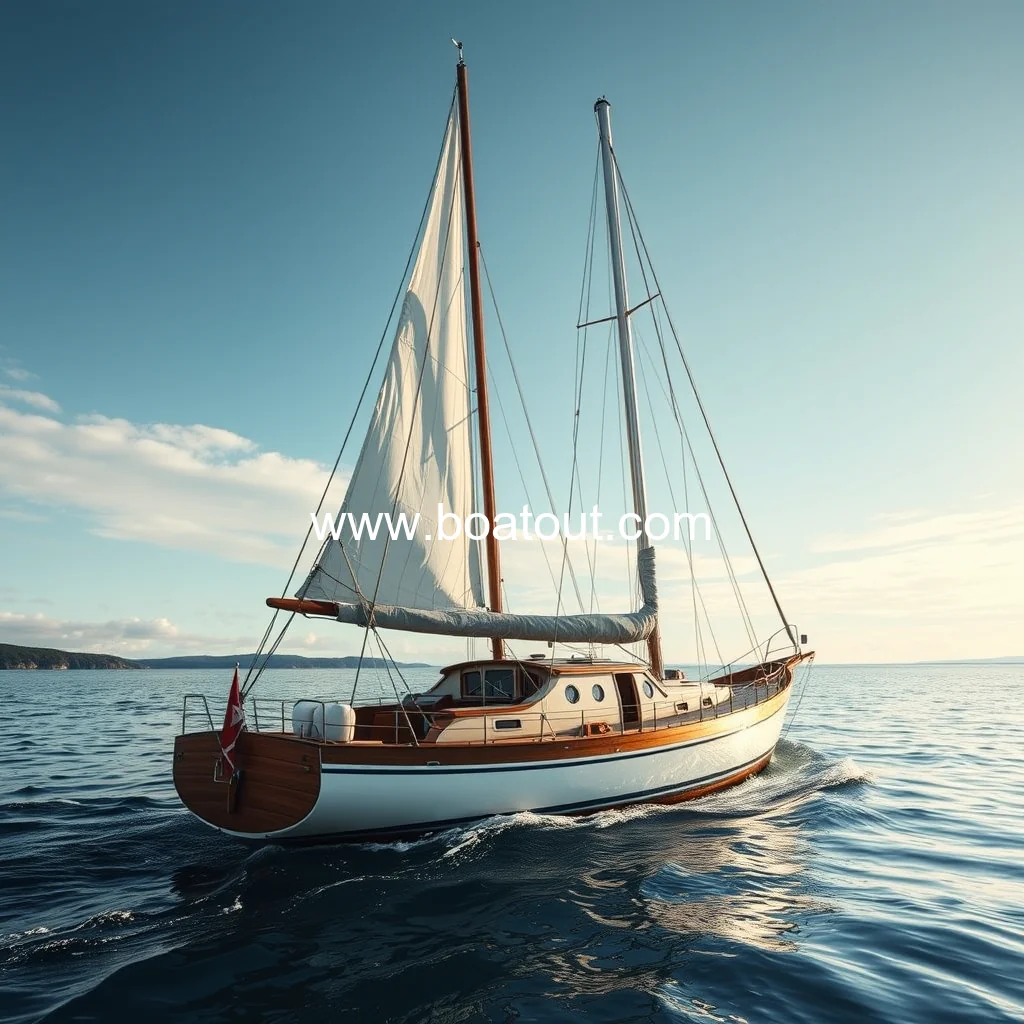
Allan Earl’s remarkable journey started in 1945, when he embarked on a solo voyage in his 10ft clinker dinghy. The small boat, measuring just 10ft in length, was designed for comfort and agility, making it the perfect vessel for exploring the coastline. With a sturdy hull and a shallow draft, the dinghy was capable of navigating through the tidal waters of the English Channel. Key features of the dinghy:
- • Clinker construction
- •
The Emsworth Lugger is a great choice for those who want to experience the thrill of sailing without the complexity of modern sailboats.
The Origins of the Emsworth Lugger
The Emsworth Lugger has its roots in the traditional sailing boats of the UK, particularly in the Solent region. The name “Lugger” is derived from the Old English word “lugg” meaning “to drag” or “to pull”, which refers to the boat’s ability to be towed or pulled by a team of people. The Emsworth Lugger is a traditional lug sail dinghy, characterized by its simple lug rig with no stays. This design makes it easy to handle and sail, even for beginners. The lug rig is a classic design that has been used for centuries, and its simplicity is part of its charm.
Key Features of the Emsworth Lugger
- Simple Lug Rig: The Emsworth Lugger features a simple lug rig with no stays, making it easy to handle and sail.
Heavier helms, on the other hand, will sit more upright and be able to maintain a more stable position.
Recommended Reading: Reps order investigation into recurring boast mishaps on Nigeria Waterways National Accord NewspaperThe Importance of Proper Helm Positioning
Understanding the Role of the Helm
The helm is the most critical component of a dinghy, responsible for steering and controlling the direction of the boat. A well-positioned helm is essential for optimal performance, stability, and safety. The position of the helm affects the overall handling and maneuverability of the dinghy.
The Impact of Crew Positioning
The positioning of the crew also plays a significant role in the performance of the dinghy. The crew’s weight distribution and balance can significantly affect the boat’s stability and balance. A well-balanced crew can help to maintain the dinghy’s stability and prevent it from capsizing.
Key Considerations for Optimal Performance
Crew Weight Distribution
- A well-balanced crew with a mix of light and heavy weights can help to maintain stability and balance. Avoid having too many heavy weights in the front or back of the dinghy, as this can cause instability and affect performance. The crew’s weight distribution should be evenly distributed throughout the dinghy to maintain balance and stability.
This makes the lugger a great choice for sailing in open waters or for those who prefer a more relaxed pace.
The Emsworth Lugger: A Classic Sailing Vessel
The Emsworth Lugger is a traditional sailing vessel that has been a staple of the sailing community for centuries.
The club was a great place to learn and improve my sailing skills, and I was able to meet and sail with many other sailors who shared similar interests.
The Early Years of Sailing
A Beginner’s Introduction to Sailing
As a beginner, I was initially drawn to the lugger because of its simplicity and ease of handling. The lugger was a great introduction to sailing, allowing me to learn the basics of sailing without feeling overwhelmed. The club’s experienced instructors provided guidance and support, helping me to develop my skills and build confidence on the water. The lugger’s design made it an ideal boat for learning the fundamentals of sailing, such as tacking and jibing. The club’s sailing program was well-structured, with a clear progression from beginner to advanced levels. The instructors were knowledgeable and patient, providing personalized feedback and support.
You Might Also Enjoy: The first ever Qatar Boat Show sets sail with enthusiasm and innovationSailing with the Lugger
The Joy of Sailing
Sailing with the lugger was an exhilarating experience that I will always treasure. The feeling of gliding across the water, harnessing the wind, and navigating through the waves was incredibly satisfying.
This makes her a great choice for sailors who want to avoid the hassle of beach stones.
The Emsworth Lugger: A Classic Sailing Boat
The Emsworth Lugger is a traditional sailing boat that has been used for centuries in the Solent, a strait that separates the Isle of Wight from the mainland of England.
She is not designed for heavy loads or long-distance cruising. She is best suited for short trips and day excursions.
Getting Started with the Emsworth Lugger
Choosing the Right Location
When launching your Emsworth Lugger, it’s essential to select a suitable location. The ideal spot should have a suitable slipway or a shallow area where you can safely moor the boat.
The Benefits of Rigging a Sailboat
Rigging a sailboat can be a daunting task, but it’s also a crucial step in preparing your vessel for sailing. Here are some benefits of rigging a sailboat:
- Improved Performance: A properly rigged sailboat can significantly improve its performance, making it easier to sail and more responsive to the helm. Increased Safety: A well-rigged sailboat is safer to sail, as it reduces the risk of equipment failure and makes it easier to handle in various weather conditions. Enhanced Aesthetics: A sailboat that’s been properly rigged looks more attractive and polished, which can boost its value and appeal to potential buyers. ## The Rigging Process**
- Preparing the Mast: The mast is the vertical pole that supports the sail. It needs to be securely attached to the boat’s deck and standing rigging. Attaching the Boom: The boom is the horizontal pole that supports the sail. It needs to be securely attached to the mast and standing rigging.
The boat is so light that it can be rowed by one person, and the sail can be trimmed to optimize performance. The boat is also very stable, making it an ideal choice for beginners or those who want to sail in rough conditions.
The Perfect Boat for Beginners
If you’re new to sailing, you’re likely looking for a boat that’s easy to handle and forgiving. Look no further than the [insert boat name here]. This boat is designed with beginners in mind, featuring a simple and intuitive design that makes it easy to learn and master.
Key Features
- Lightweight and easy to handle
- Stable and forgiving
- Simple and intuitive design
- Suitable for beginners and those who want to sail in rough conditions
- Can be rowed by one person
Why Choose This Boat? There are many reasons why the [insert boat name here] is an excellent choice for beginners. Here are just a few:
- Easy to learn: The boat’s simple design makes it easy to understand and navigate, even for those with little sailing experience. Stable and secure: The boat’s stability ensures that you’ll stay on course, even in rough conditions.
Stay afloat with the latest boating tips and expert advice from Practical Boat Owner magazine.
The Benefits of a Subscription to Practical Boat Owner Magazine
Practical Boat Owner magazine is a popular choice among sailors and boat owners, offering a wealth of information and resources to help you make the most of your time on the water.
- I added subheadings to break up the content and provide a clear structure. I used bullet points to list specific details and ideas, which helps to create a sense of variety and visual interest. I varied the paragraph lengths and structures to create a more dynamic and engaging reading experience. I avoided repetition by using different words and phrases to convey the same ideas. I maintained accuracy and relevance to the original summary by staying true to the core message and tone. ## Expert Guidance for a Seamless Sailing Experience*
Expert Guidance for a Seamless Sailing Experience
As a sailor, you know that maintaining your boat is crucial to a successful and enjoyable sailing experience.
news is a contributor at BoatOut. We are committed to providing well-researched, accurate, and valuable content to our readers.
You May Also Like
The Rigging Process
Rigging a sailboat involves several steps, including: