Sailing Lessons: Essential Tools and Resources
May 10, 2026 | Sailing lessons
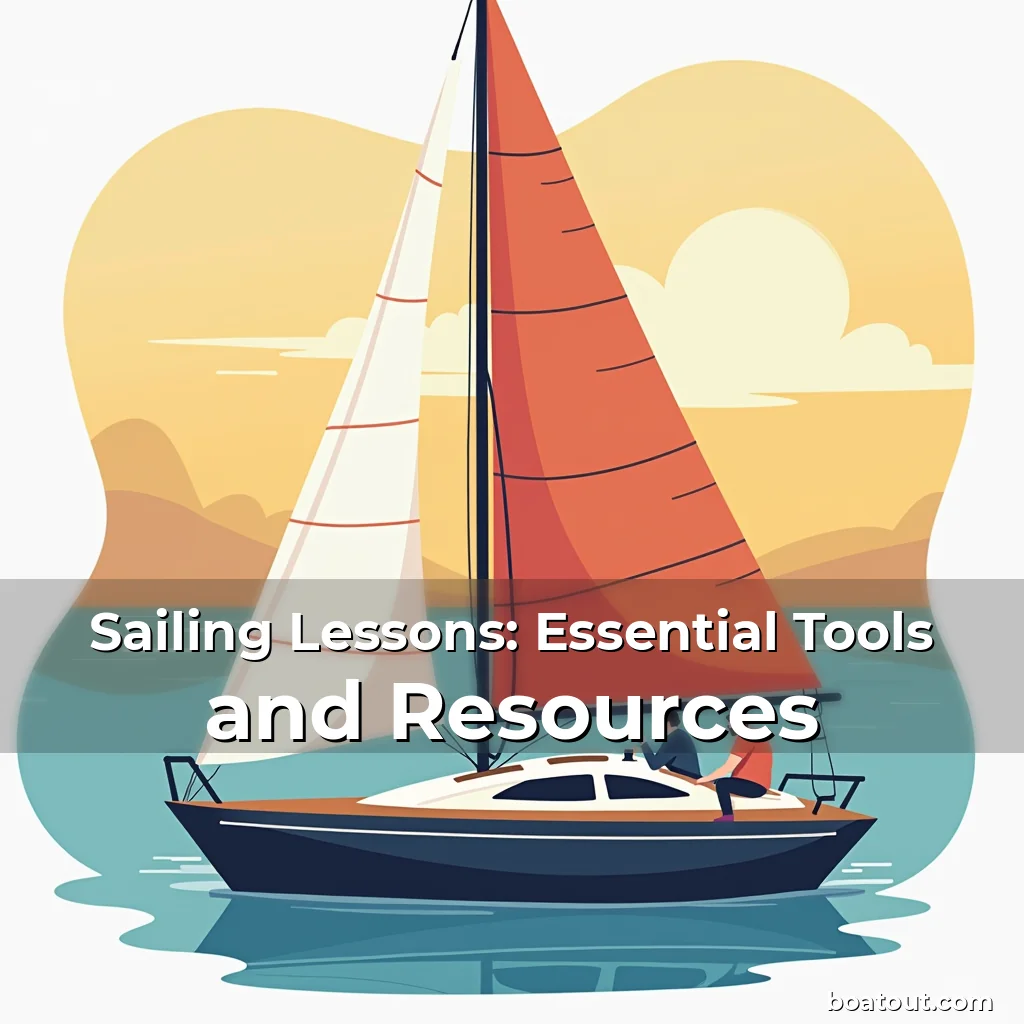
Sailing Lessons: Essential Tools and Resources
Welcome to the world of sailing—a timeless pursuit blending adventure, skill, and connection to the sea. Whether you’re a novice seeking your first lesson or an experienced sailor refining your craft, this guide offers tailored insights to help you navigate the waters with confidence.
From choosing the right course to mastering essential skills, we’ll explore how to transform your passion into proficiency. Dive into practical advice, expert recommendations, and real-world tips designed to elevate your sailing journey today.
The Foundation of Sailing Skills
Sailing begins with understanding the fundamentals of wind, water, and vessel dynamics. These principles form the bedrock of every lesson and define your ability to handle a boat safely and efficiently.
Wind direction, sail trim, and hull movement work together to determine speed and control. Learning to read these interactions helps sailors anticipate changes in conditions and respond proactively during lessons or open-water excursions.
A basic sailing lesson typically covers steering, tacking, jibing, and mooring. These maneuvers require coordination between hands, feet, and eyes, emphasizing the importance of practice and repetition.
Instructors often begin with land-based drills before transitioning to the water. This approach builds muscle memory and familiarity with controls, reducing anxiety for beginners during their first time aboard.
- Wind awareness: Understanding true vs. apparent wind improves decision-making during sails.
- Balance and weight distribution: Proper positioning ensures stability, especially in rough seas.
- Rigging knowledge: Familiarity with ropes, sheets, and lines prevents mishaps during adjustments.
Selecting the Perfect Sailing School
Your choice of sailing school significantly impacts your learning experience. Reputable institutions prioritize safety, personalized instruction, and progressive curriculum design.
Look for schools affiliated with recognized organizations like the American Sailing Association (ASA) or Royal Yachting Association (RYA). Certifications from these bodies enhance credibility and global recognition of your skills.
Evaluating Instructor Qualifications
Certified instructors bring expertise beyond theoretical knowledge. Verify that staff hold current licenses and have extensive experience teaching diverse skill levels.
Seasoned instructors can adapt lessons to individual paces, making complex topics accessible even to those with limited prior exposure to boats or nautical terminology.
Ask for testimonials or reviews from past students. Positive feedback regarding patience, clarity, and practical application indicates high-quality teaching standards.
Schools offering small group sizes or private sessions may provide better attention-to-detail, crucial for grasping nuanced aspects of sailing technique.
Course Formats and Duration Options
Sailing lessons vary widely in format, duration, and intensity. Short weekend workshops suit busy professionals, while immersive multi-day programs cater to dedicated learners aiming for certification.
Beginner-friendly classes usually span three to five days, covering theory, onboard practice, and simulated scenarios. Advanced courses build upon these foundations with specialized modules on racing tactics or offshore navigation.
Some schools offer hybrid models combining virtual tutorials with hands-on training. This flexibility allows students to review material independently before applying it on the water.
Long-term apprenticeships or mentorship programs exist for those pursuing careers in maritime professions, though they demand significant time commitment and financial investment.
Pricing Structures and Investment Value
Sailing education costs depend on location, instructor credentials, and program complexity. Expect prices ranging from $300-$800 for introductory courses, with premium options reaching thousands annually.
Budget-conscious learners can opt for community college programs or nonprofit initiatives offering subsidized rates. Discounts often apply for early registration or group enrollments.
Investing in quality sailing lessons yields long-term returns through enhanced safety, increased enjoyment, and access to exclusive events reserved for certified members.
Consider additional expenses such as rental gear, fuel, and maintenance fees. Some schools bundle these costs into package deals for added convenience.
Technological Enhancements in Modern Teaching
Modern sailing schools leverage technology to enrich traditional methods. Virtual reality simulations allow trainees to rehearse emergency procedures in controlled digital environments.
GPS tracking systems and mobile apps enable real-time performance analysis, helping students refine techniques through data-driven feedback.
Drones equipped with cameras capture overhead footage of student progress, providing new perspectives unavailable during standard observation periods.
Online forums and video libraries expand learning opportunities outside formal lessons, fostering continuous improvement through peer interaction and self-study resources.
Building Confidence Through Progressive Challenges
Effective sailing curricula gradually increase difficulty, mirroring natural progression paths from novices to experts. Initial exercises focus on stability and basic maneuvering before tackling complex situations.
Simulated storms and crowded harbors test reaction times and decision-making abilities, preparing students for unpredictable real-life scenarios.
Mentorship plays a vital role here; pairing newcomers with seasoned sailors accelerates growth by exposing them to varied strategies and problem-solving approaches.
Regular assessments track development milestones, allowing instructors to tailor future lessons precisely to each learner’s evolving capabilities.
Fostering Community Engagement Among Learners
Sailing thrives on shared experiences and collective wisdom. Schools promoting social activities strengthen bonds among participants, creating supportive networks that extend far beyond classroom settings.
Group outings, regattas, and collaborative projects encourage teamwork, reinforcing technical skills with interpersonal competencies essential for successful voyages.
Alumni associations maintain connections across generations of sailors, offering ongoing support through networking events and resource-sharing platforms.
Community involvement also includes beach cleanups, educational outreach, and youth mentoring—all contributing positively to both personal growth and environmental stewardship.
Overcoming Common Obstacles in Learning
Newcomers frequently face challenges related to fear of failure, physical discomfort, and information overload. Recognizing these barriers enables proactive solutions that facilitate smoother transitions into proficient sailing.
Many struggle initially with balancing body posture correctly while managing rigging tasks simultaneously. Practicing core strengthening routines beforehand enhances overall effectiveness on deck.
Weather-related uncertainties often deter potential students. Educators address this concern by incorporating weather pattern studies into coursework, empowering learners to plan wisely according to forecasts.
Mental resilience develops over time through consistent participation. Emphasizing gradual mastery rather than immediate perfection reduces pressure and encourages persistent effort.
Environmental Responsibility in Sailing Education
Responsible sailing involves minimizing ecological impact through sustainable practices taught within lesson plans. Integrating eco-awareness fosters respect for marine ecosystems among students at all stages.
Courses increasingly emphasize waste reduction, fuel efficiency measures, and wildlife protection protocols. Such teachings align with broader goals of preserving ocean health for future generations.
Hands-on demonstrations show how biodegradable products outperform conventional alternatives in aquatic contexts, reinforcing practical applications of green living choices.
Participation in conservation efforts becomes another layer of learning, linking recreational activities with meaningful contributions towards planetary well-being.
Advanced Techniques for Seasoned Sailors
Experienced sailors seek refinement in areas such as high-speed trimming, tactical race planning, and coastal navigation. Specialized clinics target these niche interests systematically.
Tactical sailing workshops dissect competitive strategies used in professional races, enabling enthusiasts to apply similar logic during casual competitions or club events.
Offshore cruising seminars prepare individuals for extended journeys by focusing on route optimization, risk management, and equipment reliability checks under extreme conditions.
Expert-led discussions on meteorology deepen understanding of atmospheric phenomena affecting sail performance, giving practitioners strategic advantages regardless of setting.
The Future of Sailing Instruction
Evolving technologies promise transformative shifts in how sailing lessons are delivered globally. Artificial intelligence may soon customize learning pathways dynamically based on individual progress metrics.
Augmented reality glasses could project interactive overlays onto actual vessels, guiding users step-by-step through complex operations without compromising safety during live sessions.
Blockchain verification systems might eventually authenticate certifications digitally, streamlining international recognition processes currently reliant on paper documentation.
While embracing innovation, educators remain committed to core values rooted in experiential learning—the irreplaceable value of firsthand engagement remains paramount despite technological advancements.
Conclusion
This exploration underscores the multifaceted nature of sailing lessons, revealing numerous factors influencing success along this rewarding path. From selecting appropriate schools to leveraging cutting-edge tools, mindful preparation sets the stage for fulfilling adventures ahead.
Whether embarking on a solo quest or joining communal endeavors, armed with newfound knowledge and enthusiasm, you’re poised to chart exciting horizons. Now go forth and embrace the winds awaiting discovery!

news is a contributor at BoatOut. We are committed to providing well-researched, accurate, and valuable content to our readers.