Sailing Lessons for Small Spaces
May 9, 2026 | Sailing lessons
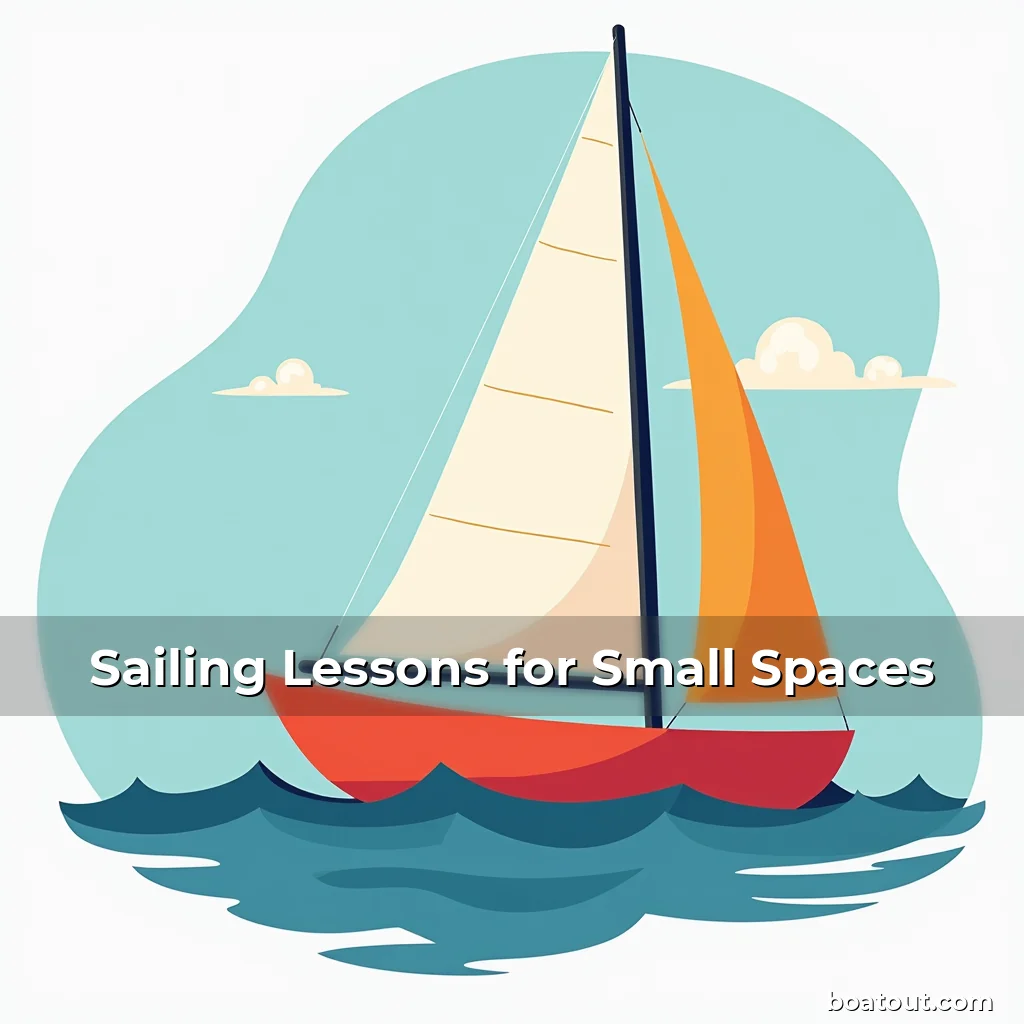
Sailing Lessons for Small Spaces
In an era where urban living dominates lifestyles, sailing lessons tailored for small spaces are becoming increasingly relevant. Whether you’re navigating city canals or enjoying serene lakeside retreats, mastering the art of sailing within limited environments offers both thrill and tranquility.
The concept of learning to sail in confined areas might seem daunting at first glance. However, with the right approach and resources, anyone can transform their cramped dock or tiny harbor into an exciting training ground. This guide aims to demystify that process by providing practical tips and expert advice suitable for beginners and enthusiasts alike.
Finding the Right Location for Sailing Lessons
Selecting an appropriate location plays a crucial role in your sailing journey. Look for places that offer calm waters free from heavy traffic. Local marinas often provide ideal conditions due to their controlled environments which make them perfect for new learners.
Avoid open sea locations unless you have prior experience. These areas tend to be unpredictable with sudden weather changes making them unsuitable for novice sailors trying to grasp basic skills such as tacking or jibing safely.
- City Canals: Ideal for practicing maneuverability around tight turns and narrow passages.
- Lakeside Harbors: Provide consistent wind patterns and sheltered surroundings conducive to skill development.
Consider renting out boats available through local clubs or charter services before committing fully. This allows trial runs without significant investment upfront while helping determine compatibility between personal goals and chosen venue characteristics.
Essential Equipment for Urban Sailors
Urban sailing requires specialized equipment designed specifically for compact settings. Compact dinghies are particularly useful since they require less space when stored compared to larger vessels commonly found elsewhere.
Investing in high-quality life jackets is non-negotiable regardless of setting size. Safety always comes first; ensure yours fits snugly against body contours offering full protection during unexpected capsizes or rough handling scenarios.
Navigation tools must also be considered carefully. GPS devices combined with traditional charts help maintain orientation even amidst distractions caused by nearby structures obstructing natural landmarks.
Choosing Between Traditional and Digital Navigation Aids
Digital navigation systems bring convenience but rely heavily on battery power and electronic signals. In contrast, paper maps remain reliable under any condition including complete loss of electricity supply aboard your vessel.
For those who prefer digital options, portable USB-powered GPS units offer flexibility without draining onboard batteries too quickly. Always carry backup supplies like extra batteries just in case technology fails unexpectedly.
Hybrid approaches work well here—using electronic aids primarily while keeping physical copies handy whenever possible ensures redundancy against potential technical issues arising mid-journey.
Basic Skills Every Beginner Should Master
Mastery over fundamental techniques forms the backbone of successful urban sailing experiences. Learning how to properly handle sails—including trimming angles according to prevailing winds—is essential knowledge every aspiring sailor needs acquire early on.
Bowlines knots come highly recommended among various rope securing methods taught today. Their simplicity makes them easy learn yet extremely effective ensuring secure fastening points whether mooring up temporarily or preparing gear transitions smoothly.
Understanding rigging configurations helps prevent accidents especially when dealing with adjustable masts common amongst smaller craft types used frequently within cities’ waterways network.
Training Programs Available Locally
Many coastal towns now boast dedicated sailing schools catering exclusively towards individuals seeking instruction inside metropolitan boundaries. These institutions usually operate from fixed bases located strategically near popular recreational spots accessible via public transport networks efficiently.
Courses offered range widely—from introductory sessions focusing solely upon theoretical aspects explaining physics behind buoyancy principles up through advanced modules emphasizing real-world applications involving rescue operations or emergency protocols execution under pressure situations.
Some programs include mentorship components pairing novices with seasoned professionals allowing hands-on guidance beyond classroom teachings alone thereby enhancing overall comprehension levels significantly faster than self-study alternatives could achieve independently.
Cost Considerations When Enrolling in Classes
Evaluating financial commitments involved becomes necessary step prior enrollment decisions regarding formal training initiatives. Tuition fees vary considerably depending upon provider reputation level alongside duration length required completing particular curriculum track successfully.
Private instructors typically charge higher rates compared institutional entities because they deliver personalized attention customized precisely according to client preferences whereas group classes benefit attendees sharing costs across participants hence reducing individual burdens substantially.
Additional expenses encompass rental charges associated using instructional boats plus maintenance fees covering regular servicing intervals mandatory maintaining safety standards consistently upheld throughout entire course period actively participated within.
Financial aid opportunities exist occasionally through municipal grants aimed supporting youth engagement projects promoting healthier lifestyle choices encouraging outdoor activities participation notably within densely populated regions experiencing heightened stress factors daily routines impose upon residents mentally physically alike.
Community Engagement Through Group Activities
Participating regularly scheduled events organized locally fosters stronger connections between members belonging different age groups backgrounds united shared passion exploring aquatic adventures together collectively.
Regular meetups not only enhance social bonds formed during initial encounters but also create supportive ecosystems wherein experienced sailors willingly share wisdom accumulated years spent traversing similar routes encountered previously others still discovering paths ahead themselves.
These gatherings sometimes feature guest speakers discussing emerging trends shaping future directions industry continues evolving rapidly adapting technological advancements occurring simultaneously globally influencing regional practices adopted domestically accordingly.
Engaging actively contributes positively towards building inclusive communities welcoming newcomers feeling confident enough join conversations ongoing naturally develop friendships organically rather than forcing interactions artificially constructed outside genuine interest motivations underlying true enthusiasm initially sparked curiosity originally ignited desire explore horizons beyond familiar territories already known beforehand.
Overcoming Common Challenges Faced During Learning Process
Newcomers inevitably face hurdles requiring patience persistence overcoming gradually through repeated practice sessions reinforcing muscle memory until actions become instinctive reflexes performed effortlessly without conscious thought intervention necessary anymore.
One prevalent issue involves difficulty interpreting wind direction correctly leading misjudged maneuvers resulting unintended drift away intended destination despite best efforts exerted attempting control situation effectively.Always double-check indicators displayed either visually manually.
Developing spatial awareness proves equally challenging task demanding continual observation surroundings noting subtle shifts happening constantly surrounding environment affecting balance stability crucial maintaining upright position avoiding capsize incidents potentially dangerous consequences otherwise avoidable had precautions been taken earlier stages preparation phases.
Learning to anticipate changing conditions remains vital component developing expertise progressively accumulating experiences enabling accurate predictions facilitating smoother transitions between differing scenarios encountered frequently throughout typical voyages undertaken routinely part routine schedule established personally professionally respectively.
Promoting Environmental Responsibility Amongst Participants
As stewards our planet’s precious marine ecosystems, responsible behavior toward nature should never overlooked aspect comprehensive education packages provided throughout entirety duration engagement program irrespective participant status category assigned therein.
Emphasizing eco-friendly practices includes minimizing waste generation utilizing biodegradable products whenever feasible disposing hazardous materials appropriately following guidelines specified regulatory bodies overseeing environmental protections enforced strictly within designated zones identified legally protected areas requiring special permits accessed granted selectively based eligibility criteria met thoroughly reviewed beforehand.
Participants encouraged adopting sustainable habits extending beyond immediate activity confines influencing broader circles impacting friends families colleagues indirectly contributing positive ripple effects enhancing collective consciousness raising awareness importance preserving biodiversity safeguarding wildlife habitats threatened human encroachment negatively altering delicate ecological balances maintained centuries naturally without interference.
Education modules incorporating virtual reality simulations depicting worst-case pollution scenarios serve powerful reminders prompting behavioral modifications fostering long-term commitment embracing green initiatives wholeheartedly regardless current circumstances faced momentarily present moment.
Conclusion
Sailing lessons tailored for small spaces represent gateway unlocking vast possibilities expanding horizons unimaginably wide. From mastering core competencies foundational elements shaping proficient practitioners capable tackling diverse challenges confidently wherever journeys take them next.
Whether pursuing leisure pursuits seeking adrenaline-fueled escapades or aiming cultivate lifelong passions connecting deeply meaningful relationships forged through collaborative endeavors, there’s something universally appealing accessible everyone regardless background limitations imposed externally internally defined constraints restricting potential growth trajectories indefinitely.

news is a contributor at BoatOut. We are committed to providing well-researched, accurate, and valuable content to our readers.