Quick Scuba Diving Tours Solutions Under 30 Minutes
April 28, 2026 | scuba diving tours
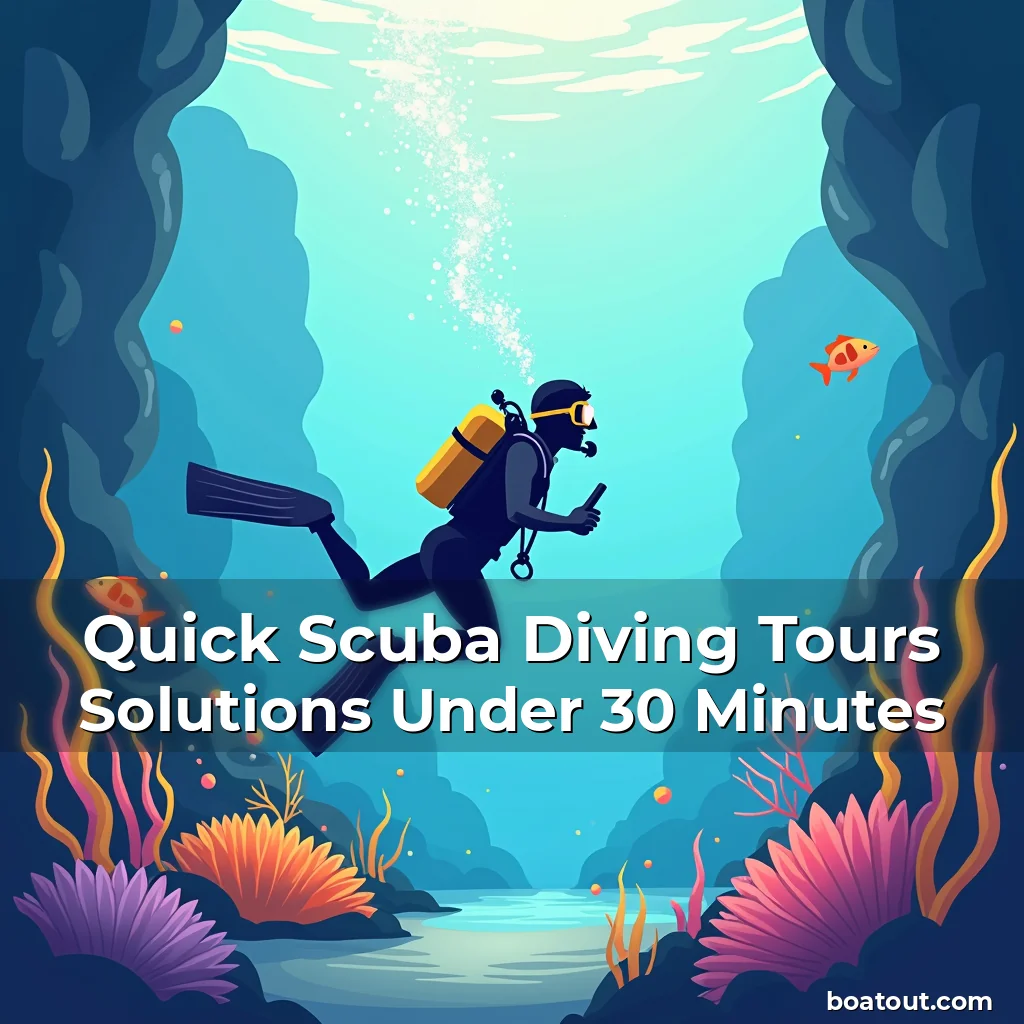
Quick Scuba Diving Tours Solutions Under 30 Minutes
Scuba diving offers a gateway to underwater worlds teeming with life and color that few get to experience up close. For those seeking unforgettable aquatic adventures without the need for extensive preparation, quick scuba diving tours present an ideal solution. These time-efficient excursions are designed to deliver thrilling experiences while respecting busy schedules.
The beauty of these fast-paced dives lies in their ability to blend convenience with adventure. Whether you’re a seasoned diver looking for a swift plunge into the depths or a novice eager to sample the sport, there’s something here for everyone. With careful planning and expert guidance, even brief sessions can feel infinitely rewarding.
Understanding Quick Dive Concepts
At its core, a quick scuba dive tour is all about maximizing enjoyment within limited time frames. This approach requires strategic location choices where the best marine life encounters happen rapidly. Experienced operators know precisely which spots yield high-value sightings within minimal time windows.
Maintaining safety remains paramount when condensing dive durations. Certified instructors closely monitor air consumption rates and decompression requirements during these accelerated expeditions. Every aspect from gear setup to entry procedures is optimized for efficiency without compromising standards.
- Safety Protocols: Comprehensive pre-dive briefings ensure participants understand emergency procedures tailored specifically for rapid ascents.
- Equipment Optimization: Streamlined gear configurations reduce donning times by up to 60% compared to traditional setups.
The Science Behind Efficient Dives
Dive physics plays a crucial role in shaping successful quick immersion experiences. By applying fundamental principles like Boyle’s Law, divers can maintain optimal pressure balance despite shorter bottom times. Understanding nitrogen absorption rates becomes essential for managing safe ascent profiles within compressed timelines.
Oxygen management strategies are equally vital for abbreviated dives. Modern regulators equipped with advanced second-stage features allow for smoother breathing patterns under various depth conditions. These technical advancements make it possible to achieve full immersion satisfaction in less than half the usual duration.
Gear Innovations Driving Efficiency
Innovative equipment developments have significantly enhanced quick diving capabilities. Wetsuit materials now offer thermal protection equivalent to older drysuits but at a fraction of the bulk. Integrated buoyancy systems streamline weight distribution across body surfaces rather than relying solely on belts.
New generation dive computers provide real-time data tracking including both descent rate monitoring and surface interval calculations. These digital assistants help manage complex variables automatically so divers can stay focused on experiencing rather than calculating.
Selecting Ideal Locations for Fast Immersion
Choosing appropriate sites dramatically influences the quality of quick dive experiences. Reef structures with strong currents tend to concentrate marine life in predictable zones. These natural formations create microhabitats where predators and prey coexist in dynamic ecosystems visible through clear waters.
Operators specializing in express dives often utilize artificial reef structures strategically placed near shorelines. These engineered environments attract diverse species populations while offering controlled access points for rapid deployment. Artificial reefs also facilitate easy return routes after brief exploratory periods.
Seasonal Considerations for Optimal Timing
Marine biodiversity exhibits distinct seasonal patterns that affect quick dive success rates. Certain tropical regions see peak activity during monsoon seasons when nutrient-rich waters stimulate plankton blooms. These events trigger migrations of schooling fish species creating spectacular feeding frenzies observable from shallow platforms.
Conversely, colder climates require different timing strategies since water temperatures influence metabolic rates of aquatic organisms. In temperate zones, late spring through early autumn provides window opportunities when visibility levels remain consistently good enough for effective exploration within tight time constraints.
Preparing for Your Express Submersion Experience
Proper physical conditioning enhances performance during condensed dives. Cardiovascular fitness improves oxygen utilization efficiencies allowing longer bottom times with reduced exertion levels. Flexibility exercises increase range of motion necessary for efficient fin kicks under time limitations.
Psychological preparedness contributes significantly to overall satisfaction. Maintaining positive mindset helps manage potential stressors inherent in any new recreational pursuit. Visualization techniques practiced beforehand can enhance comfort levels when entering unfamiliar environments quickly.
Finding Reputable Operators Specializing in Speedy Excursions
Vetting service providers ensures safe and enjoyable express dive experiences. Checking certifications such as PADI or SSI indicates adherence to industry-standard training protocols. Reading reviews focusing specifically on timeliness aspects gives direct insight into operational reliability regarding scheduled departure times.
Examining fleet maintenance records confirms whether boats receive regular servicing required for coastal operations. Well-maintained vessels demonstrate commitment to passenger safety through consistent mechanical readiness checks prior to each outing.
Eco-Friendly Practices Within Rapid Dive Frameworks
Prioritizing environmental stewardship maintains healthy marine habitats accessible for future generations. Using biodegradable sunscreen prevents chemical runoff harming coral polyps sensitive to UV filters. Practicing low-impact swimming techniques reduces sediment disturbance around delicate reef structures.
Careful waste management aboard excursion vessels preserves ocean cleanliness. Implementing recycling programs separates non-biodegradable materials preventing them from contaminating surrounding waters. Educating participants about local conservation efforts fosters ongoing awareness beyond individual trip experiences.
Maximizing Value From Limited Timeframes
Strategic route planning optimizes exposure to key attractions within constrained durations. Identifying prime viewing areas ahead of time allows for efficient navigation between points of interest. Mapping out likely encounter locations minimizes unnecessary travel times wasting precious minutes.
Utilizing technology aids in maximizing immersive value. GPS-enabled dive watches track precise position coordinates helping locate targeted species efficiently. Digital cameras with wide-angle lenses capture vivid memories without requiring lengthy setup processes typically associated with conventional photography methods.
Creating Lasting Memories Through Brief Immersions
Brief submersion episodes contain remarkable potential for profound personal connections with marine environments. Observing charismatic megafauna like sea turtles grazing on seagrass beds creates instant emotional impact measurable long after surfacing. Encounters with vibrant coral gardens spark curiosity prompting further research interests post-trip.
Sharing expedition highlights through social media channels extends educational reach beyond immediate participants. Compiling photo albums documenting fleeting yet meaningful moments transforms temporary experiences into permanent visual records preserving memories indefinitely.
Overcoming Common Challenges During Express Dives
Navigational hurdles sometimes arise due to changing underwater topographies affecting planned routes. Adaptive course corrections become necessary when unexpected obstructions appear along intended pathways. Clear communication among team members facilitates smooth adjustments maintaining pace objectives despite unforeseen circumstances.
Managing air supply demands particular attention given shortened exposure durations. Monitoring remaining tank pressures frequently enables timely decisions regarding ascent triggers. Employing backup air sources adds critical redundancy ensuring safe returns whenever primary supplies fall below recommended thresholds.
Expanding Horizons Beyond Traditional Destinations
Remote locales occasionally harbor exceptional quick dive prospects overlooked by mainstream tourism circuits. Exploring lesser-known archipelagos might reveal pristine habitats untouched by mass visitation pressures. These isolated settings often maintain higher ecological integrity translating into richer observational opportunities during brief immersions.
Urban waterfront areas surprisingly offer viable options for introductory dives when properly assessed. Some coastal cities feature protected marinas with sufficiently calm waters suitable for beginner-level exposures. These proximity-based alternatives eliminate travel burdens enabling spontaneous participation without extended commitments.
Leveraging Technology for Enhanced Quick-Dive Experiences
Modern dive computers integrate altitude compensation algorithms improving accuracy readings at varying elevation levels. These devices alert users when approaching no-decompression limits ensuring safe surfacing windows remain intact despite compressed timelines. Their predictive capabilities assist in managing intricate dive profiles effectively.
Underwater drones equipped with stabilized camera systems enable remote observation reducing direct human presence disrupting natural behaviors. Capturing footage from alternate vantage points enriches documentation possibilities without prolonged engagement risks usually associated with continuous immersion periods.
Building Confidence Through Structured Training Programs
Participating in structured certification courses builds foundational skills essential for confident quick diving practices. These programs progressively develop competencies ranging from basic breath control techniques to proficient maneuvering abilities required in confined spaces.
Recreational specialty modules expand skill sets addressing specific environmental challenges encountered during express dives. Courses focused on night diving or wreck exploring equip practitioners with specialized knowledge applicable to varied scenarios encountered within time-constrained immersions.
Community Engagement and Shared Knowledge Networks
Engaging actively within local diving communities fosters mutual learning experiences benefiting all participants. Regular meetups organized by enthusiast groups facilitate informal skill exchanges enhancing collective proficiency levels over time. Sharing anecdotal insights promotes safer and more informed decision-making frameworks.
Online forums dedicated to quick dive enthusiasts serve as repositories containing vetted resources including site recommendations and equipment review aggregators. Cross-referencing multiple opinion sources enhances reliability determining what constitutes genuinely valuable information versus misleading claims presented under guise of expertise.
Conclusion
Express scuba diving tours represent innovative approaches combining recreation with practicality. They prove that impactful underwater experiences aren’t necessarily dependent upon hours-long commitments. Instead, they showcase how well-planned expeditions can fulfill adventurous spirits efficiently.
Whether you seek a brief escape from daily routines or aim to introduce friends to this captivating hobby, quick immersion journeys provide flexible solutions meeting diverse needs. Embracing these opportunities opens doors to discovering the wonders hidden beneath waves right outside our doorstep.

news is a contributor at BoatOut. We are committed to providing well-researched, accurate, and valuable content to our readers.