Pontoon Boats for Small Spaces
April 9, 2026 | Pontoon boats
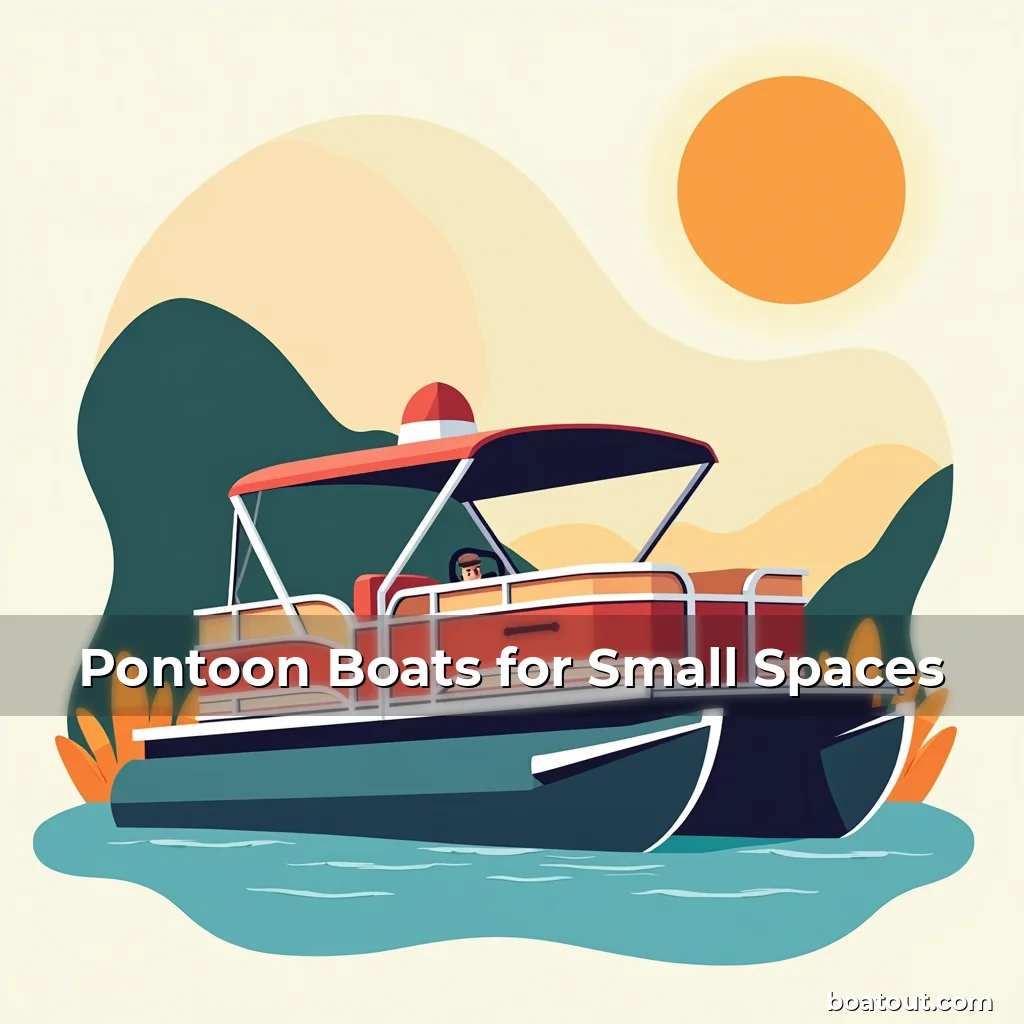
Pontoon Boats for Small Spaces
The rise of pontoon boats has revolutionized recreational boating, especially for those who enjoy activities on calm waters like lakes and rivers. These versatile vessels offer stability, comfort, and ease of handling that appeal to both novice and experienced boaters.
With their wide decks and modular design, pontoon boats are ideal for families, couples, and solo adventurers seeking quality time outdoors. They provide ample space for relaxation, fishing, or social gatherings without compromising performance.
Understanding Pontoon Boat Design
Pontoon boats derive their name from the two or three cylindrical tubes that form the hull. This innovative design distributes weight evenly across the water surface, ensuring exceptional stability even in rough conditions.
The multi-tube system acts as a buoyancy aid, preventing capsizing while allowing passengers to move freely around the deck area. Manufacturers often construct these tubes from aluminum alloys or composite materials to balance durability and lightweight properties.
- Buoyancy Advantage: Multiple tubes create superior flotation capabilities, enabling safe operation in shallow waters
- Stability Features: The wide beam and flat bottom design minimize rocking motion typical in traditional V-hull boats
The Evolution of Pontoon Technology
Modern advancements have transformed basic floating platforms into sophisticated recreational vehicles equipped with luxury amenities. Engineers now integrate GPS navigation systems, digital sound controls, and LED lighting into standard configurations.
Fuel-efficient outboard motors ranging from 40 to 200 horsepower cater to diverse usage patterns, whether you’re drifting leisurely or enjoying high-speed excursions. Some manufacturers incorporate hybrid engine options for eco-conscious boaters.
Innovations Shaping Today’s Pontoons
Demand for customized pontoon experiences has led to significant technological progressions. In 2023 alone, sales of technologically advanced pontoons grew by 18% compared to previous years, reflecting shifting consumer preferences.
Features like wireless charging stations, solar-powered battery packs, and self-cleaning hull coatings demonstrate how industry leaders are addressing modern boater needs. Innovations continue to blur lines between recreational vehicles and personal watercraft.
Choosing the Right Size for Your Needs
Selecting an appropriately sized pontoon requires considering factors beyond mere passenger capacity. Key considerations include intended use, storage availability, and desired onboard amenities.
A compact model measuring around 16 feet may suffice for casual lake outings, while larger vessels exceeding 25 feet accommodate extended trips requiring additional sleeping quarters or cooking facilities.
Popular Brands and Model Comparisons
Leading manufacturers such as WellCraft, Champion, and Harris Yacht Company dominate the market with distinct product offerings tailored to specific buyer profiles.
Cheaper alternatives like Hurricane Marine and Sportsman offer budget-friendly options without sacrificing fundamental functionality. Researching warranty coverage and resale values becomes crucial when evaluating different brand choices.
Evaluating Performance Specifications
Powertrain configuration significantly impacts overall vessel performance. A 90 HP Evinrude motor paired with a 19-foot hull delivers optimal speed-to-fuel-efficiency ratios for most freshwater environments.
Boat enthusiasts tracking propulsion trends note increasing adoption of 4-stroke engines due to reduced emissions and improved reliability. Consulting marine experts can clarify which power ratings best match individual usage patterns.
Setting Up Your New Pontoon Boat
Proper preparation enhances enjoyment and longevity of your new pontoon investment. Begin by reviewing manufacturer instructions regarding assembly procedures and safety equipment installation.
Securing life jackets, fire extinguishers, and visual distress signals fulfills legal requirements while prioritizing occupant safety. Regular inspections of rigging hardware ensure secure connections between accessories and primary framework.
Maintenance Tips for Long-Term Enjoyment
Routine upkeep preserves structural integrity and operational efficiency of your pontoon boat. Schedule periodic inspections covering tube condition, electrical systems, and mechanical components.
Following recommended maintenance intervals outlined in owner manuals helps prevent costly repairs. Implementing preventive measures like applying UV-resistant wax protects gelcoat finishes from sun damage.
Seasonal Care Recommendations
Winterizing procedures differ based on storage environment. If storing indoors, drain fresh water systems completely before sealing up enclosed spaces. Outdoor winterization involves applying protective covers designed specifically for pontoon designs.
Springtime preparations require inspecting bilge pumps, checking battery charge levels, and verifying propeller alignment. Lubrication schedules vary depending on manufacturer guidelines and local climate conditions.
Safety Considerations for All Skill Levels
Basic safety knowledge proves invaluable regardless of experience level. Familiarize yourself with emergency shutdown procedures, communication devices, and location-specific regulations prior to departure.
Keeping a fully charged cell phone with waterproof case provides backup communication options in remote areas. Understanding current weather patterns enables informed decisions about launch timing and route selection.
Environmental Impact and Eco-Friendly Options
Responsible boating practices help preserve aquatic ecosystems for future generations. Opting for low-emission engines and biodegradable cleaning products minimizes ecological disruption.
Some manufacturers produce pontoon boats featuring recycled materials and energy-efficient construction techniques. Supporting companies committed to sustainable manufacturing contributes positively towards environmental conservation efforts.
Cost Analysis and Value Assessment
Investment decisions hinge on balancing upfront costs against long-term benefits. Used pontoons typically range from $10,000 to $25,000 depending on age, condition, and included accessories.
New builds start around $30,000 with premium models reaching six figures based on added luxuries like cabins, bathrooms, or entertainment centers. Calculating total ownership expenses includes fuel consumption rates and annual maintenance budgets.
Community Engagement and Events
Joining pontoon-focused forums connects owners with fellow enthusiasts sharing similar interests. Participating in regional rallies offers opportunities to test gear, exchange tips, and discover exclusive discounts.
Vendors frequently showcase latest innovations at seasonal expos held across North America. Engaging actively within these communities enriches overall boating experience through shared knowledge and collaborative problem-solving.
Conclusion
Pontoon boats represent a compelling choice for anyone seeking accessible, stable, and enjoyable water recreation. Their versatility caters to a wide array of lifestyles and preferences spanning from simple day trips to full-time cruising adventures.
Before making final decisions, conduct thorough research comparing different models, consulting expert reviews, and visiting dealerships personally. Embrace the journey of discovering which pontoon configuration best matches your unique boating aspirations.

news is a contributor at BoatOut. We are committed to providing well-researched, accurate, and valuable content to our readers.