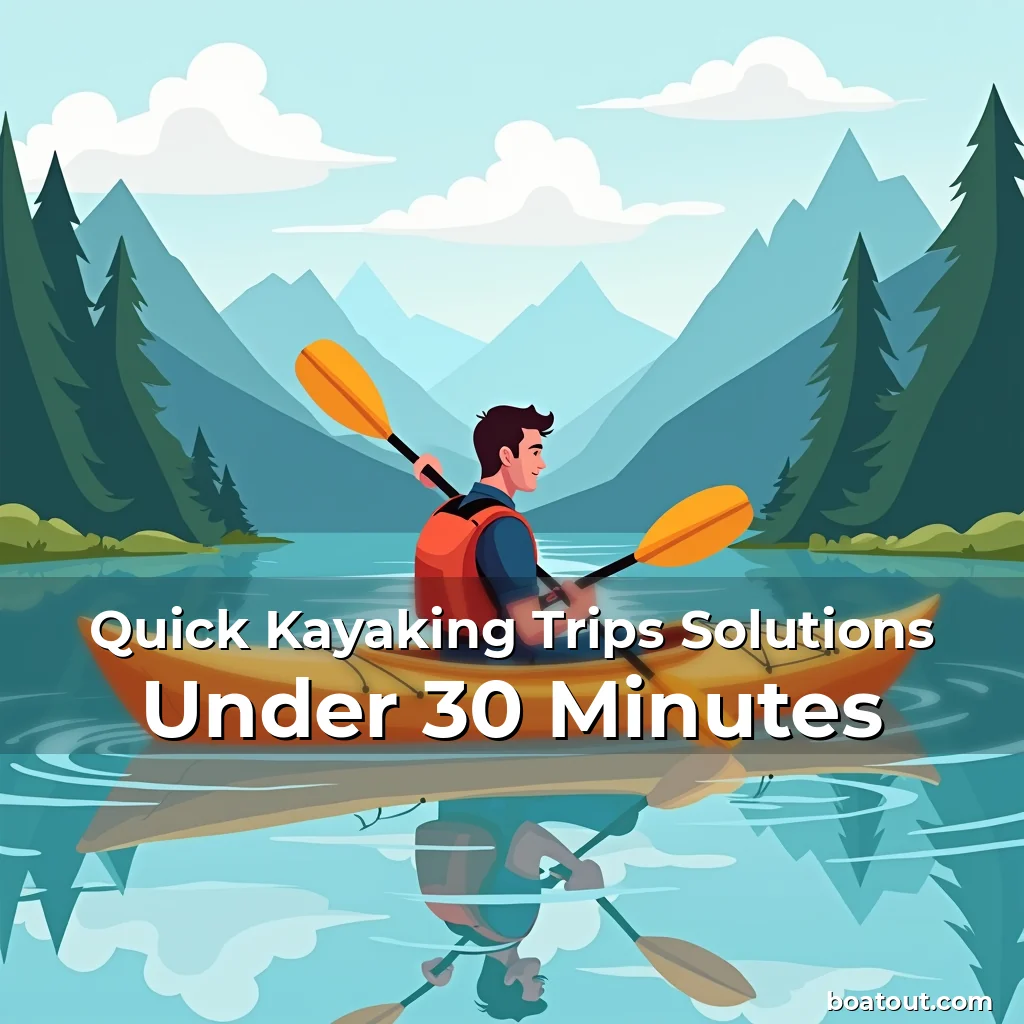
Quick Kayaking Trips Solutions Under 30 Minutes
March 17, 2026 | kayaking trips
Optimizing Your Paddle Time
Choosing the right time of day can significantly enhance your experience. Early morning hours often feature calmer waters due to reduced wind activity.
Morning light also provides ideal visibility, making it easier to spot wildlife and navigate safely. Avoid midday heat by planning trips during cooler periods whenever possible.
- Calm Water Conditions: Pre-dawn hours usually produce smoother surfaces free from wave disturbances
- Safety Advantages: Reduced glare allows better depth perception when maneuvering near rocks or submerged objects
Packing Essentials for Efficiency
A streamlined packing strategy ensures you leave nothing behind yet carry precisely what matters most. Prioritize items based on trip duration and environmental factors.
Folding backpacks with waterproof compartments help organize essentials like snacks, water bottles, and navigation tools. Keep weight distribution balanced for stability while paddling.
- Lightweight Gear: Focus on multifunctional tools instead of carrying duplicate items
- Emergency Supplies: Include compact first aid kits designed for aquatic environments
Choosing Accessible Launch Points
Proximity determines how quickly you can reach open water. Look for parks, marinas, or riverbanks within walking distance of your home base.
Many urban areas now have designated kayak-friendly zones. Check local government websites or recreation apps for current availability maps.
If public launch sites are unavailable, consider purchasing a small trailer-mounted rack for transporting boats across town efficiently.
Navigating Urban Waterways Safely
City canals and rivers present unique challenges compared to natural bodies of water. Be prepared for sudden traffic changes from motorized vessels or construction work.
Always check official boating regulations before entering municipal water systems. Some areas require registration or adherence to specific speed limits.
- Voice Alerts: Enable GPS devices set up for marine routing to receive real-time navigational updates
- Reflective Clothing: Wear bright-colored clothing to increase visibility among other watercraft users
Weather Monitoring Techniques
Even brief excursions demand awareness of atmospheric conditions. Download weather forecasting apps that specialize in maritime predictions.
Monitor barometric pressure trends for signs of approaching storms. Sudden drops indicate potential severe weather within 6-8 hours.
Carry backup power sources for electronic devices since cell service might become unreliable over water.
- Portable Weather Stations: Compact units offering real-time temperature, humidity, and UV index readings
- Tactical Planning: Schedule outdoor activities after reviewing 48-hour extended forecasts
Building Core Paddling Skills
Rapid progress relies heavily on mastering fundamental techniques. Regular practice sessions focused on directional control improve overall performance dramatically.
Beginners should dedicate 10 minutes to perfecting edge control while maintaining steady forward motion. This builds muscle memory essential for advanced maneuvers later.
Engage in interval training alternating between high-intensity bursts and recovery periods to develop cardiovascular endurance efficiently.
Staying Hydrated During Short Expeditions
Dehydration poses risks even for brief outings. Carry sealed hydration bladders integrated into personal flotation devices for hands-free accessibility.
Incorporate electrolyte-enhanced drinks in emergency packs to maintain mineral balance lost through sweat exposure.
- Water Consumption Rates: Aim for half your body weight in ounces consumed per hour while active
- Bottle Placement: Store containers inside bungee cords secured to kayak seats for secure handling
Gear Maintenance Secrets
Regular upkeep prevents unexpected breakdowns that could end enjoyable journeys prematurely. Inspect hull integrity for cracks before every use.
Keep cleaning supplies onboard – microfiber cloths prove particularly effective against stubborn algae buildup between sessions.
Lubricate moving parts with waterproof silicone sprays designed explicitly for recreational water sports equipment.
Environmental Awareness Practices
Protecting ecosystems remains crucial despite minimal impact from short visits. Refrain from touching coral reefs or disturbing nesting grounds encountered during paddles.
Dispose of waste properly according to Leave No Trace principles. Always carry reusable containers instead of single-use plastics.
- Wildlife Interaction Rules: Maintain safe distances from animals observing their natural behaviors
- Eco-Friendly Products: Opt for biodegradable soaps when washing off after excursions
Creating Personalized Itineraries
Develop routines matching individual preferences enhances enjoyment levels consistently. Establish preferred routes combining scenic views with mental stimulation tasks.
Alternate between solitary reflections sessions and social group events depending on mood variations daily. Vary terrain types to prevent routine monotony.
Incorporate photography goals into trips for added motivation. Capture sunrise colors or interesting cloud formations encountered along paths.
Managing Emergencies Efficiently
Despite careful planning, accidents occasionally occur. Equip yourself with emergency signaling devices operating on separate frequencies.
Store flares or whistles securely yet easily accessible. Practice deploying distress signals regularly until they feel second nature.
- Mental Preparedness: Train for worst-case scenarios through simulated drills beforehand
- Contact Information: Keep rescue numbers memorized alongside physical copies inside waterproof pouches
Tracking Progress Through Metrics
Data collection transforms casual outings into structured experiences. Utilize wearable technology tracking heart rates and calories burned during sessions.
Analyze weekly logs identifying patterns showing improvements or areas requiring attention. Adjust workout intensity accordingly for optimal growth.
Share achievements online with fellow enthusiasts seeking inspiration or friendly competition boosts morale effectively.
Community Engagement Opportunities
Participating actively expands horizons beyond solo exploration. Join guided tours led by certified instructors teaching specialized skills regularly.
Attend workshops covering topics ranging from celestial navigation to sustainable fishing practices. Network with professionals who can advise career pathways.
- Volunteer Programs: Contribute time restoring habitats damaged by human activity
- Youth Initiatives: Mentor young adventurers developing early passion for outdoors
Winter Kayaking Adaptations
Seasonal changes necessitate equipment modifications. Invest in wetsuits rated appropriately for ambient temperatures expected during excursions.
Use thermal blankets wrapped around core areas if subzero climates persist longer than anticipated. Ensure helmets include extra insulation layers.
- Freezing Point Management: Apply antifreeze treatments on gear susceptible to ice formation
- Mobility Protection: Choose gloves allowing dexterity while preserving warmth
Springtime Exploration Strategies
The thaw period presents unpredictable conditions requiring flexible approaches. Monitor melting snow rates affecting water clarity frequently.
Adjust travel schedules aligning with peak fish spawning seasons observed locally. These times yield richer biodiversity encounters worth experiencing.
- Ice Detection: Run fingers along shorelines sensing remaining frozen patches beneath surface appearances
- Flora Changes: Note blooming cycles guiding selection of trail segments featuring attractive wildflowers
Summer Heat Mitigation Tactics
Extended sun exposure demands special precautions. Apply broad-spectrum sunscreen every 90 minutes regardless of shade presence.
Select trips utilizing natural cooling effects found around lakeside forests shaded by tall trees creating breezy microclimates.
- Clothing Choices: Wear moisture-wicking fabrics promoting evaporative cooling processes
- Hydration Timing: Take sips regularly rather waiting until feeling thirsty develops
Fall Color Viewing Routes
Autumn transitions create visually stunning landscapes perfect for photography. Chart courses leading through regions renowned for vibrant foliage displays.
Plan departure windows accounting for falling leaf debris affecting water clarity temporarily. Clean rudders periodically preventing clogging issues.
- Peak Season Dates: Research regional calendars indicating exact times of maximal coloration
- Photography Tips: Use polarizing filters reducing reflective glints from wetted leaves
Financial Planning for Equipment
Cost management becomes vital when acquiring quality gear. Compare prices across retailers specializing exclusively in outdoor recreation products.
Invest initially in durable items likely lasting multiple seasons versus cheaper alternatives requiring frequent replacement.
- Financing Options: Explore payment plans offered by stores with good customer reputations
- Used Marketplaces: Browse verified secondhand platforms ensuring genuine item condition checks
Improving Mental Resilience
Challenging situations build inner strength over time. Incorporate mindfulness exercises practiced while floating gently upon still waters.
Focus on breathing rhythmically with each stroke reinforcing connection between mind and movement mechanics intuitively.
Record thoughts encountered during journeys serving as future reference material reflecting personal development stages chronologically.
Physical Conditioning Recommendations
Consistent training increases stamina enabling longer durations spent on water successfully. Develop full-body workouts emphasizing upper back muscles used extensively.
Include resistance band exercises mimicking actual paddling motions improving functional fitness realistically applicable later outside gym settings.
- Flexibility Routines: Stretch regularly targeting shoulders and wrists prone to strain injuries
- Endurance Builds: Gradually extend swimming intervals working toward continuous 30-minute periods
Educational Resources Available
Knowledge enhancement remains ongoing process worthy of dedicated efforts. Subscribe to publications covering latest advancements in marine technologies.
Access video tutorials demonstrating complex techniques simplified for beginners through various digital channels freely available online.
- Certification Courses: Enroll in official programs providing recognized credentials valid globally
- Local Seminars: Attend lectures delivered by field experts sharing real-world experiences
Technology Integration Benefits
Modern innovations streamline many traditional processes once considered burdensome manually. Smartwatches track vital signs automatically without manual input required.
Utilize sonar mapping applications revealing underwater structures previously hidden below surface level aiding safer route selections.
- Navigation Apps: Sync smartphones with compatible receivers enhancing positional accuracy
- Communication Devices: Purchase handheld radios capable of transmitting distress calls reliably
Personal Safety Protocols
Certainty regarding survival capabilities requires thorough preparation. Participate in certification classes granting formal recognition.
Practice self-rescue methods until they become automatic responses during emergencies rather relying solely on conscious decision-making moments.
- Drills Frequency: Conduct monthly rehearsals simulating different danger scenarios thoroughly
- Equipment Checks: Perform systematic inspections validating everything functions correctly pre-trip
Conclusion
This comprehensive overview covers every aspect influencing successful quick kayaking adventures. From selecting optimal locations to equipping adequately, each element contributes significantly towards rewarding outcomes.
Remember that consistent application of learned strategies leads to progressively improved abilities eventually transforming brief excursions into remarkable memories cherished indefinitely. Stay curious, stay safe, and continue exploring our planet’s incredible aquatic wonders responsibly.

news is a contributor at BoatOut. We are committed to providing well-researched, accurate, and valuable content to our readers.