The Ultimate Guide to Embracing the Boating Lifestyle: Freedom, Adventure, and Community Afloat
March 3, 2026 | Boating lifestyle
The Ultimate Boater’s Journey: Crafting a Life at Sea
In an era where digital connectivity dominates our lives, many seek respite from constant stimulation by embracing a boating lifestyle that reconnects them with nature’s rhythms. This pursuit is not merely about owning a vessel; it’s about adopting a holistic approach to living that integrates maritime experiences with daily routines.
For those who choose this path, life aboard becomes more than just recreation—it transforms into a deliberate way of being, shaped by tides, seasons, and the ever-changing face of waterways. From coastal dwellers to offshore adventurers, each chapter in this aquatic journey reveals new dimensions of freedom, responsibility, and discovery.
Embracing Nautical Traditions and Modern Innovations
The modern boating lifestyle is a fascinating blend of age-old seafaring customs and cutting-edge technology. Traditional elements such as knot tying, celestial navigation, and sail maintenance still hold significance alongside GPS systems, autopilot functions, and carbon-fiber hull constructions.
This synthesis creates a unique environment where experienced sailors pass down time-honored skills while newcomers learn through interactive digital tutorials and virtual reality training modules. The result is a dynamic ecosystem that respects its maritime heritage while pushing boundaries with innovation.
- Digital Navigation Systems: Modern yachts are equipped with advanced chartplotters that integrate radar, sonar, and weather data to provide real-time situational awareness.
- Eco-Friendly Technologies: Solar panels, hybrid engines, and waste recycling systems reflect growing environmental consciousness among today’s boaters.
Crafting Your Boat Home: Design Philosophy and Practicality
A floating home requires careful consideration of both aesthetics and functionality. Interior layouts often prioritize open spaces that facilitate movement during rough seas while maintaining comfort when anchored safely in marinas.
Materials selection plays a crucial role in durability—marine-grade composites, stainless steel fittings, and waterproof finishes become essential components rather than mere decorative choices. Thoughtful storage solutions ensure every item has its place without cluttering functional areas.
Space Optimization Techniques
Studies show that boats under 40 feet require approximately 30% less interior space compared to equivalent land-based homes due to vertical constraints and motion considerations. Creative use of overhead compartments, fold-out furniture, and multi-functional appliances helps maximize usable square footage.
Experts recommend designing around core needs first—sleeping quarters, galley area, and sanitation facilities—before allocating remaining space to recreational zones like lounges and entertainment hubs.
Navigating the Waters of Social Connection
The boating community fosters strong bonds formed through shared challenges and collective experiences. Dockside gatherings, regattas, and marine festivals serve as natural meeting points where stories flow freely along with cold beverages.
Online forums and social media groups have expanded these connections globally, allowing enthusiasts to share tips, organize events, and support each other regardless of geographic location. These platforms also play vital roles in safety information dissemination and emergency response coordination.
Celestial Guidance: Honoring Timeless Seafaring Skills
While electronic aids dominate modern navigation, traditional methods remain invaluable tools for any serious sailor. Learning to read stars, interpret wave patterns, and understand wind behavior enhances overall seamanship capabilities significantly.
Maintaining proficiency in dead reckoning calculations and compass usage ensures reliable navigation even when technology fails unexpectedly—a critical skill set that can mean the difference between safe passage and perilous drift.
- Solar Navigation: Using star charts and sextants allows precise positioning based on celestial bodies’ known positions relative to Earth.
- Ocean Current Awareness: Understanding how temperature gradients affect current flows improves route planning efficiency substantially.
Marine Cuisine: Sustaining Health Aboard the Water
Life at sea demands thoughtful meal planning to maintain energy levels and prevent nutrient deficiencies over extended voyages. Fresh produce preservation techniques like vacuum sealing and freeze-drying extend shelf life considerably.
Cooking strategies evolve with available resources—stove-top meals become practical near shorelines while solar ovens prove ideal for sunlit days far out at sea. Carefully selected non-perishable items complement fresh catches obtained through sustainable fishing practices.
Nutritional Balance Strategies
Research indicates optimal vitamin D absorption occurs when consuming fatty fish like salmon twice weekly combined with regular sunlight exposure during daylight hours. This synergy supports bone health and immune function especially crucial in isolated environments.
Hydration management becomes paramount—electrolyte balance must be maintained carefully through sports drinks or homemade solutions when freshwater supplies dwindle. Monitoring urine color provides simple yet effective indicators of hydration status.
Sustainable Practices for Responsible Boating
Environmental stewardship has become central to contemporary boating lifestyles, with eco-conscious communities pioneering initiatives that protect marine ecosystems. Waste reduction programs, fuel-efficient engine technologies, and reef-safe cleaning products represent key advancements.
Adopting slow-speed cruising reduces propeller-induced turbulence affecting underwater habitats. Proper disposal protocols for bilge water and sewage prevent contamination risks to sensitive aquatic environments surrounding vessels.
- Biofuel Alternatives: Some cruisers utilize ethanol blends or biodiesel produced from algae cultivation, minimizing fossil fuel dependence.
- Recycling Infrastructure: Onboard sorting bins separate recyclables from organic matter, reducing landfill contributions from boating activities.
Weather Wisdom: Mastering Maritime Forecasting
Understanding atmospheric conditions is fundamental to safe boating. Regular monitoring of barometric pressure changes, cloud formations, and ocean swell patterns enables proactive decision-making regarding voyage routes.
Modern forecasting tools combine satellite imagery with historical meteorological records to predict storm paths accurately. However, cultivating personal experience through observation remains equally crucial for developing intuitive weather sense.
- Pressure Gradient Analysis: Rapid drops in mercury readings signal approaching storms requiring immediate course adjustments.
- Cloud Classification: Identifying cumulus vs stratus formations provides insight into potential precipitation developments ahead.
Healthcare Considerations for Long-Duration Cruising
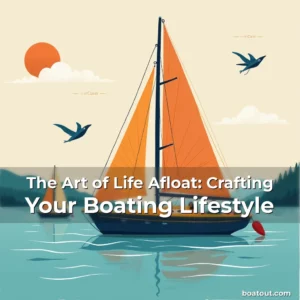
You Might Also Enjoy: The Art of Life Afloat: Crafting Your Boating Lifestyle
Prolonged time spent onboard necessitates tailored medical preparedness plans covering common ailments encountered at sea. Stocking essential medications, first aid kits, and diagnostic equipment becomes imperative for remote locations lacking immediate professional healthcare access.
Specialized care provisions include managing chronic conditions effectively through medication schedules integrated with automated reminders. Emergency communication devices like EPIRBs (Emergency Position Indicating Radio Beacons) ensure swift rescue operations when unforeseen circumstances arise.
- Vaccine Requirements: Certain regions mandate immunizations against diseases prevalent in tropical waters before permitting entry into local ports.
- Telemedicine Access: Satellite phones enable consultations with specialists despite physical distance limitations imposed by geographical isolation.
Fashion Forward: Apparel Designed for Aquatic Living
Appropriate clothing choices enhance both comfort and safety during various nautical activities. Quick-dry fabrics, UV protection features, and buoyancy-enhancing materials define the latest trends in maritime apparel design.
Layering strategies accommodate fluctuating temperatures—lightweight thermal base layers paired with wind-resistant outer shells create adaptable ensembles suitable for diverse sailing conditions ranging from equatorial heatwaves to polar frosts.
- Moisture-Wicking Fabrics: Synthetic fibers draw sweat away from skin surfaces preventing hypothermia risk during sudden temperature shifts.
- Visibility Enhancements: Reflective detailing increases driver visibility when operating motorized craft during low-light periods.
Education Through Experience: Lifelong Learning Opportunities
Continuous education remains integral to evolving successfully within the boating community. Workshops covering topics from rigging procedures to wildlife conservation foster deeper understanding across multiple domains relevant to maritime life.
Certification courses offered by recognized authorities equip individuals with necessary credentials ensuring legal compliance and enhanced competency in complex situations involving hazardous weather or mechanical failures.
- Coast Guard Endorsements: Official certifications validate technical expertise required for commercial or charter operations.
- Wildlife Protection Training: Courses teach responsible interaction guidelines when encountering endangered species or fragile coral reefs.
Building Community Connections: Networking Beyond Shoreline Boundaries
Strong social networks form naturally through mutual assistance efforts observed regularly among fellow boaters facing similar challenges. Informal mentorship relationships develop organically as seasoned sailors guide novices through their initial journeys.
Digital platforms continue expanding networking possibilities beyond local marina confines enabling global collaborations focused on everything from joint expeditions to knowledge sharing sessions addressing emerging issues impacting the industry.
- Regional Clubs: Local yacht associations host regular meetings promoting camaraderie and resource-sharing opportunities within specific geographic areas.
- International Forums: Online discussion boards connect members worldwide facilitating exchange of best practices related to shipbuilding innovations and regulatory updates.
Adventure Awaits: Exploring Global Destinations Safely
Selecting destinations involves balancing desire for exploration with realistic assessments of navigational feasibility. Charting courses requires researching depth soundings, tidal influences, and prevailing winds that shape safe travel corridors.
Pre-trip preparations include verifying immigration requirements, securing appropriate insurance coverage, and confirming availability of port facilities capable of accommodating chosen vessel types comfortably without undue stress on infrastructure.
- Tropical Paradise Routes: Popular cruise lines offer pre-planned itineraries featuring Caribbean islands characterized by calm waters conducive to leisurely sailing.
- Polar Expeditions: Specialized ice-strengthened ships navigate Arctic passages requiring extensive winterization measures and crew training for extreme cold environments.
Preserving Heritage: Cultural Significance of Boating Traditions
Cultural preservation efforts recognize the intrinsic value of ancestral boating techniques passed down through generations. Documenting oral histories alongside tangible artifacts safeguards knowledge at risk of disappearing amid technological progress.
Museums dedicated solely to maritime history showcase evolution of vessel designs reflecting changing societal values and engineering capabilities over centuries. Interactive exhibits allow visitors to engage directly with historical replicas experiencing firsthand what early sailors endured.
- Traditional Craftsmanship: Hand-carved wooden hulls demonstrate meticulous attention to detail characteristic of earlier eras emphasizing artistry over mass production.
- Historical Reenactment Groups: Enthusiasts recreate past voyages using period-appropriate equipment providing immersive educational experiences for participants and spectators alike.
Concluding Thoughts: Embracing the Fluidity of Coastal Existence
The boating lifestyle offers unparalleled opportunities for self-discovery and connection with the world’s vast aquatic landscapes. By thoughtfully integrating tradition with innovation, individuals cultivate rich, meaningful existences defined by adaptability and reverence for nature’s wonders.
Whether seeking temporary escapes or permanent transitions toward fully realized maritime living, those drawn to this path find themselves part of an enduring legacy—one that continues shaping human civilization through exploration, trade, and cultural exchange across millennia.
“`

news is a contributor at BoatOut. We are committed to providing well-researched, accurate, and valuable content to our readers.