The Thrill Beneath the Waves: Exploring the World of Water Sports
March 2, 2026 | Water sports
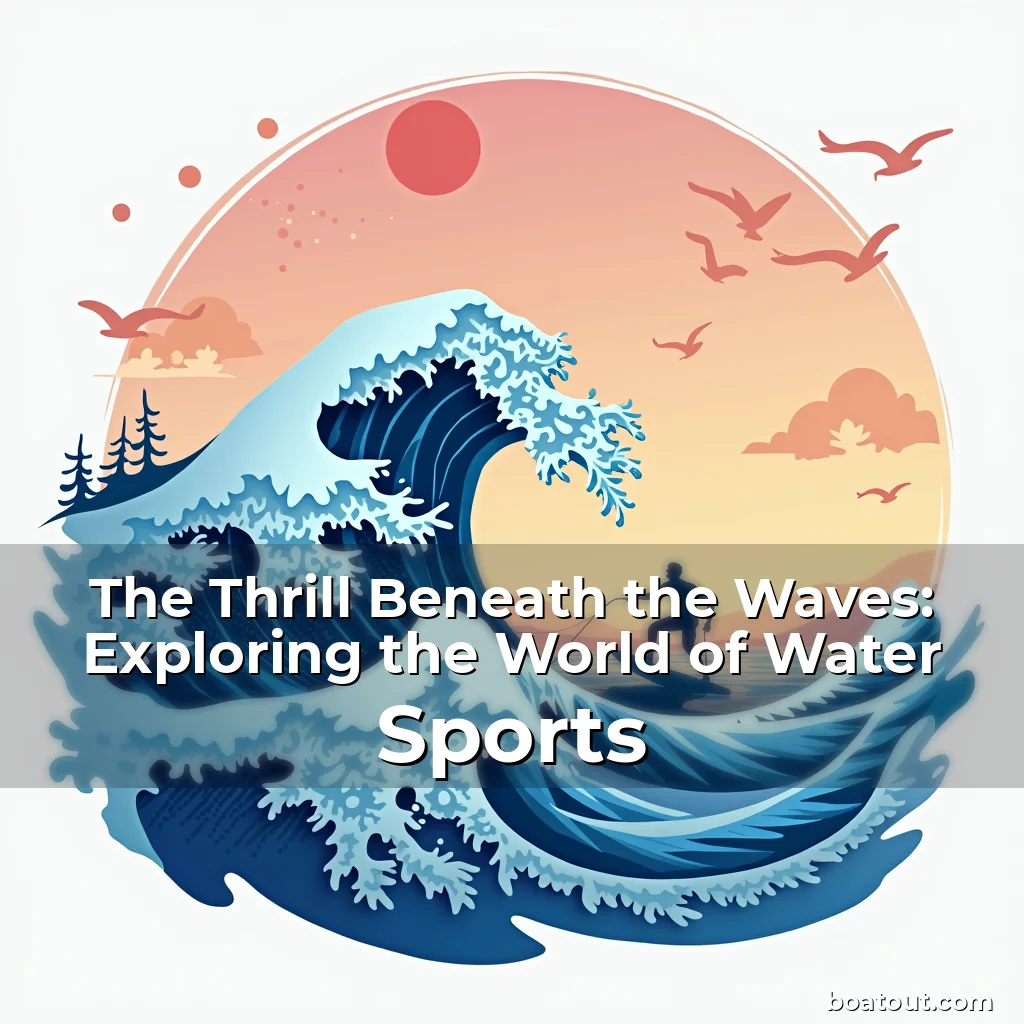
The Thrill Beneath the Waves: Exploring the World of Water Sports
Water sports have long captivated adventurers seeking excitement beyond the shoreline. From high-speed jet skiing to serene kayaking, these activities offer an exhilarating blend of physical challenge and natural beauty.
With the rise of eco-conscious tourism, water sports enthusiasts are discovering new ways to enjoy their favorite pastimes while minimizing environmental impact. This shift has led to innovative gear, sustainable practices, and a growing appreciation for marine ecosystems.
Diving Into Adventure: A Spectrum of Water Activities
The world of water sports is as diverse as the ocean itself, offering something for every type of adventurer. Whether you’re drawn to the adrenaline rush of wakeboarding or the tranquility of stand-up paddle boarding, there’s an activity that matches your spirit.
For those who crave speed and power, motorized sports like Jet Skiing provide heart-pounding thrills across open waters. Meanwhile, non-motorized pursuits such as windsurfing and sailing harness nature’s elements for a different kind of excitement.
Jet Skiing: These personal watercraft allow riders to glide effortlessly over waves at speeds up to 60 mph. Modern models feature advanced safety systems including kill switches and GPS tracking.
Kayaking: Paddlers can explore calm lakes or navigate rapids depending on their skill level. Sit-on-top designs make them ideal for beginners, while tandem options create opportunities for shared adventure.
- Safety First: Always wear life jackets designed specifically for the sport you’re participating in. Check local regulations regarding required equipment before hitting the water.
- Weather Awareness: Monitor forecast conditions before launching. Sudden changes in wind patterns or wave heights can dramatically affect your experience and safety.
Mind Over Matter: Mental Challenges in Aquatic Pursuits
Beyond physical exertion, many water sports demand mental acuity and strategic thinking. Stand-up paddle boarding requires balance and body control that develops through practice and patience.
In competitive events like kite surfing competitions, athletes must read wind shifts and adjust techniques mid-air during jumps. This combination of athleticism and problem-solving makes each session uniquely challenging.
Balance Training: Many instructors recommend starting with a board that floats higher out of the water to build confidence gradually. Core strengthening exercises significantly enhance stability on the board.
Tactical Thinking: In team-based sports like rowing or dragon boating, understanding race strategies becomes crucial. Coaches often use video analysis to help crews refine their pacing and coordination.
Focus Techniques: Practicing mindfulness meditation improves concentration levels essential for maintaining equilibrium on unstable surfaces. Breathing exercises performed before launching can reduce anxiety and increase performance.
Cognitive Benefits: Regular participation in mentally demanding water sports enhances spatial awareness, decision-making skills, and overall cognitive function according to recent neurological studies.
Eco-Conscious Watersports: Sustainable Practices for Adventurers
As environmental concerns grow, water sports communities are embracing sustainability initiatives that protect aquatic environments without compromising fun. Eco-friendly equipment manufacturing now includes biodegradable materials and energy-efficient production methods.
Organizations promoting responsible recreation emphasize Leave No Trace principles adapted specifically for marine settings. This involves avoiding sensitive habitats, properly disposing of waste, and using reef-safe sunscreen products.
Green Gear Innovations: Companies produce wetsuits from recycled plastic bottles and carbon-neutral sailboat hulls made from plant-based resins. Some manufacturers even offset shipping emissions by planting mangrove trees along coastal regions.
Conservation Efforts: Certified dive operators participate in coral reef restoration projects where divers assist in transplanting corals to damaged areas. Kayak tours sometimes include educational components about local wildlife conservation efforts.
- Reduced Impact Travel: Choosing destinations accessible via public transportation minimizes fuel consumption associated with travel to remote beaches.
- Local Engagement: Supporting businesses run by indigenous communities fosters economic development while preserving traditional knowledge of regional ecosystems.
Mastering the Elements: Weather Considerations for Water Sport Enthusiasts
Understanding weather patterns is essential for safe and enjoyable water sports experiences. Wind direction affects everything from sailing routes to kite flying angles, making meteorological awareness vital.
Rainy conditions present both challenges and opportunities. While heavy downpours may require postponement of certain activities, light drizzle can transform flat-water paddling into an invigorating sensory experience.
Wind Management: For sailors and windsurfers, knowing how to anticipate gusts allows better positioning when catching waves. Wind vanes attached to boats help monitor shifting directions in real time.
Precipitation Planning: Storm tracking apps enable participants to avoid dangerous situations while still finding optimal times for rain-related adventures like storm chasing kayak excursions.
Temperature Adaptation: Cold-water swimmers benefit from wearing neoprene suits rated appropriately for water temperatures. Layering clothing helps regulate body heat during early morning sessions when surface temperatures drop rapidly.
Hazard Avoidance: Lightning storms pose significant risks requiring immediate cessation of outdoor water activities until clear skies return. Recognizing signs of approaching thunderstorms saves lives annually among recreational users.
Equipment Evolution: Technological Advancements in Water Sports
Modern technology continues transforming water sports through smarter gear design and enhanced safety features. Smartwatches now track heart rates, calories burned, and even detect potential drowning incidents automatically.
Innovative materials like graphene-infused fabrics improve durability while reducing weight burdens on athletes. Carbon fiber construction strengthens surfboards and kayaks without sacrificing maneuverability.
Wearable Tech Integration: GPS-enabled devices provide real-time location data useful for navigation and emergency response scenarios. Some systems alert lifeguards instantly if someone falls off a personal watercraft.
Material Science Breakthroughs: Hydrophobic coatings prevent water absorption in wetsuits, increasing flexibility and comfort during extended use periods. Self-healing polymers repair minor abrasions on equipment surfaces autonomously.
Customization Options: Manufacturers offer modular attachment points allowing users to personalize their gear configurations based on individual needs or changing environmental conditions.
Data Analytics: Performance tracking software analyzes movement patterns helping athletes optimize technique efficiency. Virtual reality training simulations prepare competitors for various competition scenarios digitally first.
Community Building Through Water Sports
Participation in water sports naturally fosters strong social connections within both local and global communities. Shared experiences in challenging environments create lasting bonds among participants regardless of age or background.
Coastal towns often develop vibrant waterfront cultures centered around annual festivals celebrating specific water activities. These events bring together professionals, amateurs, and families alike under common interests.
Team Dynamics: Group activities like synchronized swimming or relay races cultivate cooperation skills beneficial beyond athletics. Trust-building exercises become integral parts of training regimens for competitive teams.
Cultural Exchange: International tournaments promote cross-cultural interactions where competitors learn about traditions from different countries while sharing technical expertise related to their respective sports.
Fundraising Opportunities: Charitable water races raise money for marine conservation causes simultaneously providing athletic challenges. Corporate sponsorships support clean-up initiatives targeting polluted shorelines worldwide.
Youth Development Programs: Mentorship programs connect experienced athletes with younger generations aiming to nurture future champions while emphasizing values like respect and perseverance.
Health Benefits Beyond the Surface: Physical and Psychological Rewards
Regular engagement in water sports contributes positively to overall health through cardiovascular exercise combined with muscle-strengthening routines. Swimming laps builds endurance while paddle sports work core strength effectively.
Mental well-being benefits from the meditative aspects of being immersed in water environments. Studies show reduced stress levels after spending time near bodies of water compared to urban settings.
Cardiovascular Fitness: High-intensity sports like whitewater rafting elevate heart rate similar to aerobic workouts but with added resistance from turbulent currents enhancing calorie burn rates.
Muscle Tone Development: Resistance provided by water increases muscular effort requirements leading to improved definition especially noticeable in upper body muscles used frequently during paddling actions.
Joint Health Improvements: Low-impact nature of most water sports reduces strain on joints compared to land-based alternatives. This makes them particularly suitable for individuals recovering from injuries or managing chronic pain conditions.
Mental Clarity Gains: Mindfulness practiced during solitary activities like snorkeling promotes relaxation and cognitive clarity helpful in daily life management tasks outside recreational contexts.
Getting Started: Essential Tips for Newcomers to Water Sports
Newcomers exploring water sports should prioritize learning fundamental skills before attempting advanced maneuvers. Taking introductory lessons ensures proper form establishment preventing bad habits formation later on.
Choosing appropriate gear tailored to one’s fitness level and chosen activity maximizes enjoyment while minimizing injury risk factors inherent in any physically demanding pursuit.
Lesson Selection Criteria: Opt for certified instructors affiliated with recognized organizations ensuring quality instruction standards meet industry benchmarks set forth by governing bodies overseeing specific disciplines.
Gear Quality Assurance: Invest in reputable brands known for producing reliable equipment rather than opting solely based on price considerations which might compromise safety margins.
Progressive Skill Development: Begin with basic strokes mastering correct posture then gradually incorporate more complex techniques once foundational movements feel comfortable and controlled.
Environmental Respect Education: Learn about local ecological guidelines respecting protected species and habitats to ensure responsible participation aligned with conservation objectives protecting delicate underwater ecosystems.
Conclusion
Water sports offer unparalleled opportunities for adventure, personal growth, and connection with nature. As technologies evolve and environmental consciousness grows, these activities continue adapting to serve both enthusiast and planet alike.
Whether you’re a seasoned competitor or just beginning your journey into maritime recreation, remember that preparation, respect for the environment, and continuous learning will enrich every moment spent on the water.

news is a contributor at BoatOut. We are committed to providing well-researched, accurate, and valuable content to our readers.